
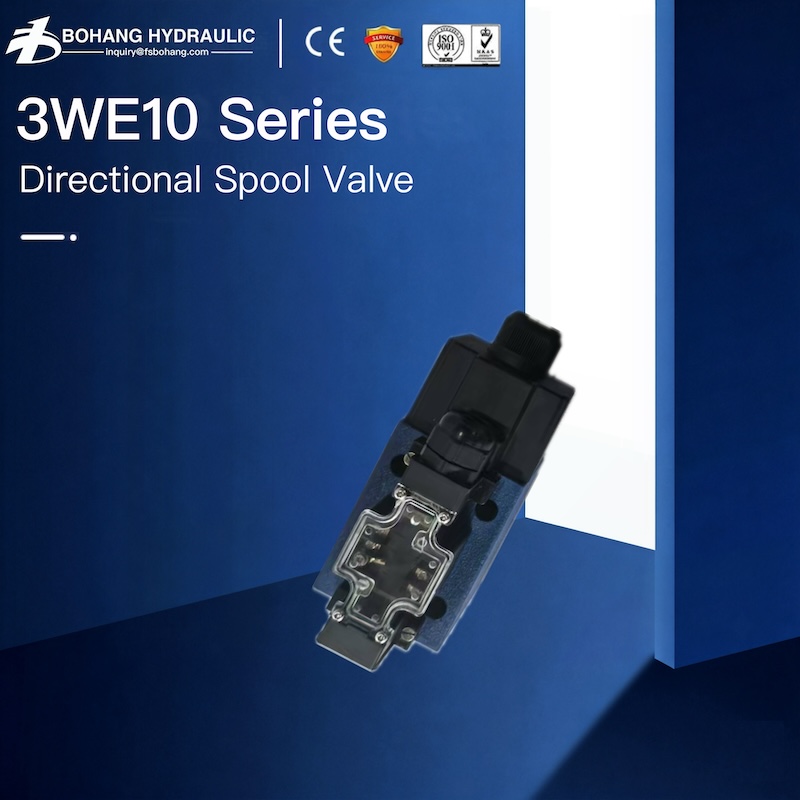
Hydraulic valves are critical control elements in fluid power systems, responsible for managing the flow, pressure, and direction of hydraulic fluid. Whether in mobile equipment, industrial machinery, or energy systems, these components directly influence operational efficiency, safety, and system responsiveness.
As industries push toward higher precision, energy efficiency, and automation, the role of hydraulic valves has evolved beyond simple flow regulation. Today’s systems demand valves that deliver consistent performance under dynamic loads, fluctuating pressures, and harsh environmental conditions.
What Are Hydraulic Valves and How Do They Work?
Definition and Functional Role
A hydraulic valve is a device used to control the movement of fluid within a hydraulic circuit. By modulating flow paths and restricting or allowing fluid passage, valves enable systems to generate controlled motion and force.
At a fundamental level, hydraulic valves perform three core functions:
- Flow regulation – controlling actuator speed and system throughput
- Pressure control – maintaining safe and stable operating conditions
- Directional control – routing fluid to achieve desired motion sequences
These functions are interdependent and essential for maintaining system balance and reliability.
Working Principle
Hydraulic valves operate by changing the geometry of internal flow passages. This is typically achieved through moving elements such as spools, poppets, or discs, which respond to external inputs (manual, mechanical, or electrical).
Flow Modulation
Flow control is based on adjusting the effective orifice area. As the opening changes, fluid velocity and volumetric flow rate are altered accordingly. This relationship is governed by fundamental fluid dynamics principles, including continuity and pressure-flow relationships.
Pressure Regulation
Pressure control valves use spring-loaded or pilot-operated mechanisms to maintain a set pressure level. When system pressure exceeds a predefined threshold, the valve opens to divert or relieve fluid, preventing damage to system components.
Dynamic Compensation
In advanced systems, valves may include compensation features that automatically adjust for:
- Pressure variations (pressure-compensated valves)
- Temperature-induced viscosity changes
- Load fluctuations in real time
These features improve consistency and system predictability.
Actuation Methods
Hydraulic valves can be actuated through various mechanisms, depending on system complexity and control requirements:
- Manual actuation – simple and cost-effective for basic operations
- Mechanical actuation – triggered by cams, rollers, or linkages
- Hydraulic pilot control – uses system pressure for indirect control
- Pneumatic actuation – suitable for hybrid systems
- Electrical actuation – solenoid or proportional control for automation
Electro-hydraulic valves are increasingly prevalent, enabling integration with programmable logic controllers (PLCs) and digital control systems.
Main Types of Hydraulic Valves
1. Flow Control Valves
Flow control valves regulate the rate at which fluid moves through the system, directly influencing actuator speed and cycle time.
- Needle valves – provide fine, precise flow adjustment
- Ball valves – offer quick shutoff with minimal pressure loss
- Throttle valves – control flow through variable restriction
- Pressure-compensated flow valves – maintain constant flow despite pressure changes
Engineering Consideration:
Accurate flow control is essential in applications requiring smooth motion profiles and reduced mechanical shock.
2. Pressure Control Valves
Pressure control valves ensure that system pressure remains within safe and functional limits.
Key Types:
- Relief valves – protect against overpressure conditions
- Pressure reducing valves – maintain lower pressure in specific branches
- Sequence valves – enforce operational order between actuators
- Counterbalance valves – stabilize loads and prevent unintended movement
- Unloading valves – reduce energy consumption during idle periods
System Impact:
Proper pressure regulation prevents component fatigue, leakage, and catastrophic failure, while also improving energy efficiency.
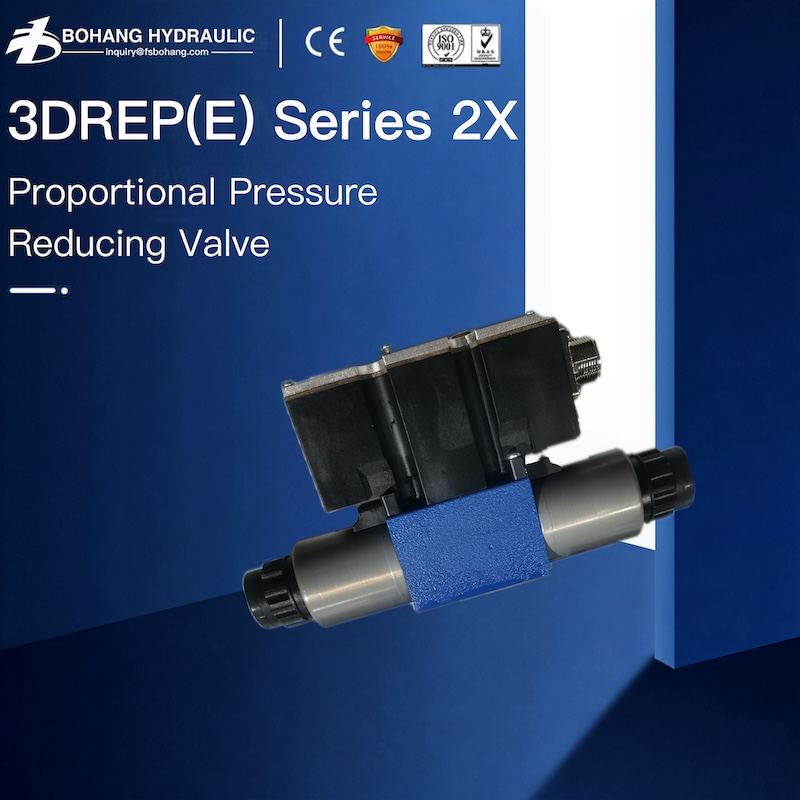
3. Directional Control Valves
Directional control valves determine the path of hydraulic fluid, enabling control over actuator motion such as extension, retraction, or stopping.
- 2-way valves – basic on/off flow control
- 3-way valves – divert flow between two paths
- 4-way valves – control double-acting actuators
- Check valves – allow flow in one direction only
- Solenoid-operated valves – enable automated switching
Functional Importance:
These valves are central to motion control systems, where precise sequencing and repeatability are required.
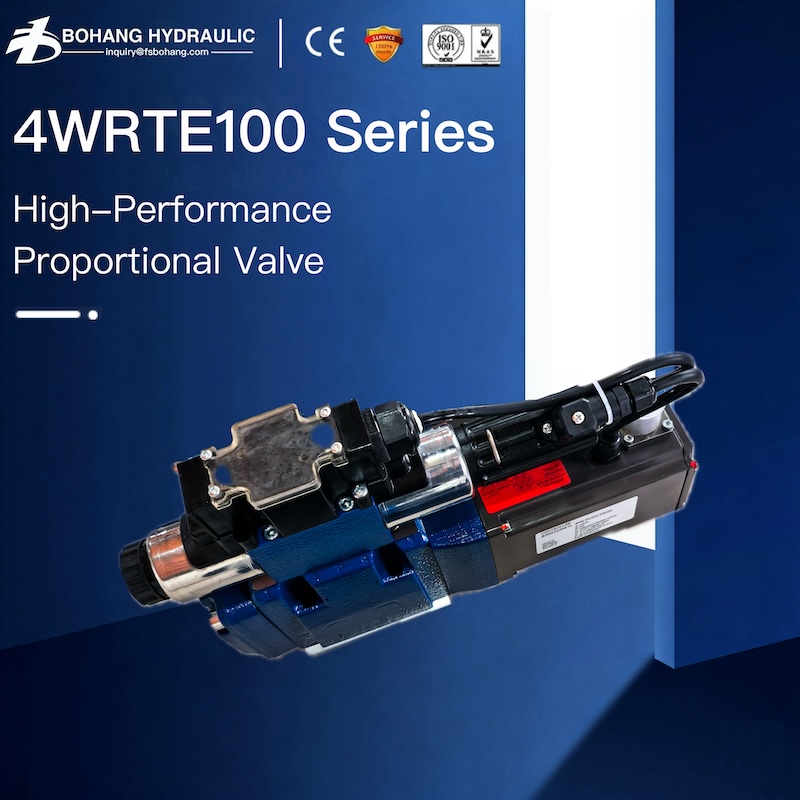
4. Cartridge and Modular Valves
Cartridge valves are compact units installed into manifold blocks, offering a modular approach to hydraulic system design.
Advantages:
- Reduced external piping and leakage points
- High flow capacity in a compact form factor
- Simplified maintenance and replacement
- Flexible circuit configuration
They are widely used in both mobile and industrial hydraulic systems where space efficiency and reliability are priorities.
Performance Advantages of Hydraulic Valves
1. High Precision and Control Accuracy
Hydraulic valves enable fine-tuned control over system variables, allowing for:
- Smooth acceleration and deceleration
- Stable pressure regulation
- Repeatable motion cycles
Proportional and servo valves further enhance precision by allowing continuous control rather than discrete switching.
2. High Power Handling Capability
Hydraulic systems operate at high pressures, and valves are designed to handle significant force and flow levels. This enables:
- Transmission of large forces through compact systems
- Efficient operation in heavy-duty applications
- Reduced need for oversized mechanical components
3. Enhanced Safety and System Protection
Safety is a fundamental advantage of well-designed hydraulic valve systems. Features include:
- Overpressure protection via relief valves
- Load holding through counterbalance valves
- Prevention of reverse flow using check valves
These mechanisms protect both equipment and operators.
4. Energy Efficiency Improvements
Modern hydraulic valves contribute to energy optimization by:
- Minimizing internal leakage and pressure loss
- Allowing demand-based flow control
- Supporting load-sensing and variable displacement systems
Efficient valve design reduces heat generation and lowers overall energy consumption.
5. Durability in Harsh Environments
Hydraulic valves are engineered for demanding conditions, including:
- High pressure and temperature fluctuations
- Exposure to contaminants and vibration
- Continuous duty cycles
Material selection, sealing technology, and surface treatments all contribute to long service life.
6. System Flexibility and Integration
Hydraulic valves support modular and scalable system architectures:
- Cartridge systems allow compact manifold design
- Proportional valves enable programmable control
- Compatibility with electronic systems supports automation
This flexibility is essential for modern, adaptive machinery.
Key Applications Across Industries
Hydraulic valves are utilized in demanding environments where precise force is required:
- Construction & Demolition: Powering tools such as concrete demolition shears, crushers, and multi-cutters. Proportional technology is often used here to minimize vibrations and pressure spikes.
- Mining & Tunneling: In rock splitters and splitter cylinders, check and load-holding valves are critical to maintaining stable splitting pressure.
- Industrial Automation: Directional spool valves and solenoid valves are integrated into manufacturing robots and presses for rapid, electronically controlled movement.
- Mobile Machinery: Used in agriculture, material handling (forklifts), and municipal vehicles to coordinate complex actuator movements.
How to Choose the Right Hydraulic Valves
Selecting the right hydraulic valve is essential for achieving stable performance, efficiency, and long service life in any hydraulic system. The selection process should be based on system requirements, operating conditions, and control expectations.
1. Define Pressure and Flow Requirements
Start by identifying the system’s maximum operating pressure and required flow rate. The valve must be rated to safely handle peak pressure while providing sufficient flow capacity to avoid excessive pressure drop and performance loss.
2. Determine the Required Valve Function
Choose the valve type based on its primary role in the system:
- Directional control valves for motion control
- Pressure control valves for system protection and load management
- Flow control valves for speed and movement regulation
3. Consider Control Accuracy and Response Time
Applications requiring smooth motion or high repeatability may need proportional or electro-hydraulic valves. Simpler on/off valves are suitable for basic switching functions where precision is less critical.
4. Evaluate Fluid Quality and Environment
Fluid cleanliness, viscosity, and temperature directly affect valve performance. In contaminated or harsh environments, valves with stronger sealing and higher tolerance to impurities should be prioritized.
5. Assess Installation and System Integration
Valve configuration—inline, manifold, or cartridge type—should match system design requirements. Compact and integrated systems often benefit from manifold or cartridge solutions due to reduced leakage and easier maintenance.
6. Balance Performance and Lifecycle Cost
Beyond initial cost, consider energy efficiency, maintenance frequency, and service life. A higher-quality valve often reduces downtime and improves overall system reliability, lowering total operating costs.
Why Choose Bohang Hydraulic as Your Partner for Hydraulic Valves?
Bohang Hydraulic is a professional manufacturer specializing in hydraulic pumps and hydraulic motors, with strong engineering capability and extensive experience across industrial hydraulic applications. The company focuses on delivering reliable, efficient, and durable hydraulic solutions for demanding working environments such as construction machinery, mining, marine, agriculture, and industrial systems.
1. Solid Hydraulic Engineering Background
Bohang Hydraulic is built on a strong foundation in hydraulic transmission technology, with continuous improvements in efficiency, durability, and system performance to meet modern industrial requirements.
2. Wide Industrial Application Coverage
Its products are widely used in heavy-duty sectors including engineering machinery, mining equipment, marine systems, and agricultural machinery, demonstrating strong adaptability and system compatibility.
3. High-Performance Hydraulic Motor Products
Bohang offers axial piston hydraulic motors designed for high pressure, stable output, and long service life, supporting reliable performance in continuous-duty applications.
4. Focus on Reliability and Efficiency
The company emphasizes stable performance, energy efficiency, and reduced system loss, ensuring hydraulic components operate reliably even under harsh conditions.
5. OEM Compatibility and Custom Solutions
Bohang Hydraulic supports OEM-level production and customization, allowing flexible integration into different hydraulic systems and application requirements.
Conclusion
Hydraulic valves play a critical role in controlling flow, pressure, and direction within fluid power systems. They are widely used in construction, mining, industrial automation, agriculture, and energy applications where stable performance and precise control are required. Proper valve selection directly impacts system efficiency, safety, energy consumption, and equipment lifespan. As hydraulic systems become more advanced, valves continue to evolve toward higher precision, better energy efficiency, and stronger adaptability to harsh operating conditions.
FAQ
Q1. Why is my hydraulic system running slowly or responding poorly?
A: This is often caused by incorrect valve sizing, internal leakage, pressure drops, or flow control issues that restrict system efficiency.
Q2. How do I know if I am using the wrong hydraulic valve type?
A: Signs include unstable pressure, inconsistent actuator movement, overheating, or failure to achieve required force or speed.
Q3. What causes hydraulic valves to fail prematurely?
A: Common causes include fluid contamination, improper pressure settings, overheating, and lack of regular maintenance or filtration.
Q4. How can I reduce energy loss in a hydraulic system?
A: Using pressure-compensated and load-sensing valves, reducing internal leakage, and optimizing system pressure settings can significantly improve efficiency.
Q5. Why does my hydraulic system overheat during operation?
A: Overheating is often linked to excessive pressure drop, inefficient valve selection, internal leakage, or continuous operation under high load.
Q6. How do I choose a hydraulic valve that matches my equipment?
A: Selection depends on pressure range, flow requirements, control accuracy needs, fluid type, and environmental conditions.
Q7. What happens if a hydraulic valve is undersized or oversized?
A: Undersized valves restrict flow and reduce performance, while oversized valves may cause poor control accuracy and unstable system behavior.