
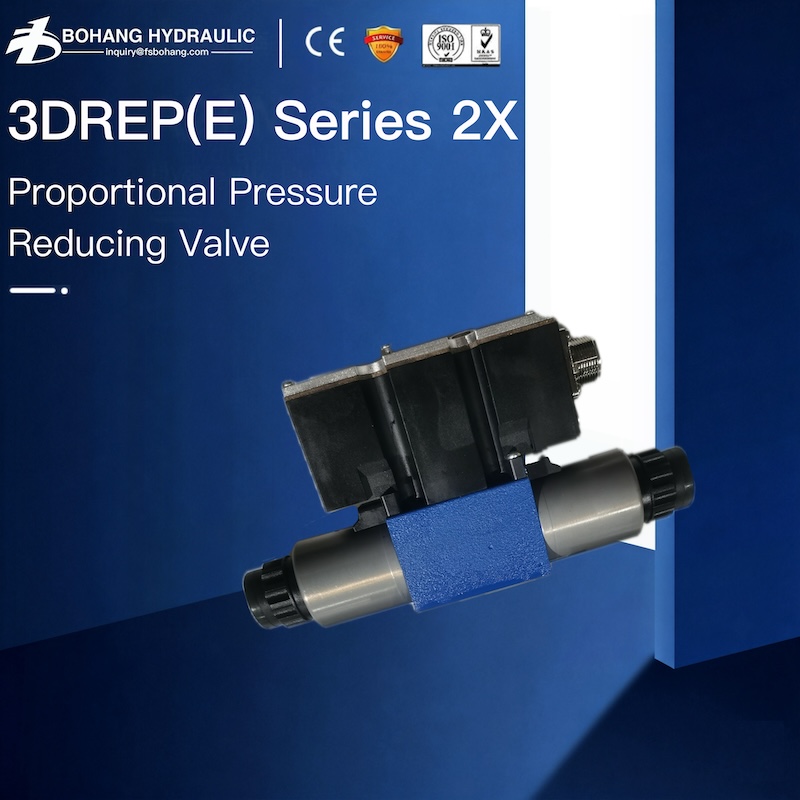
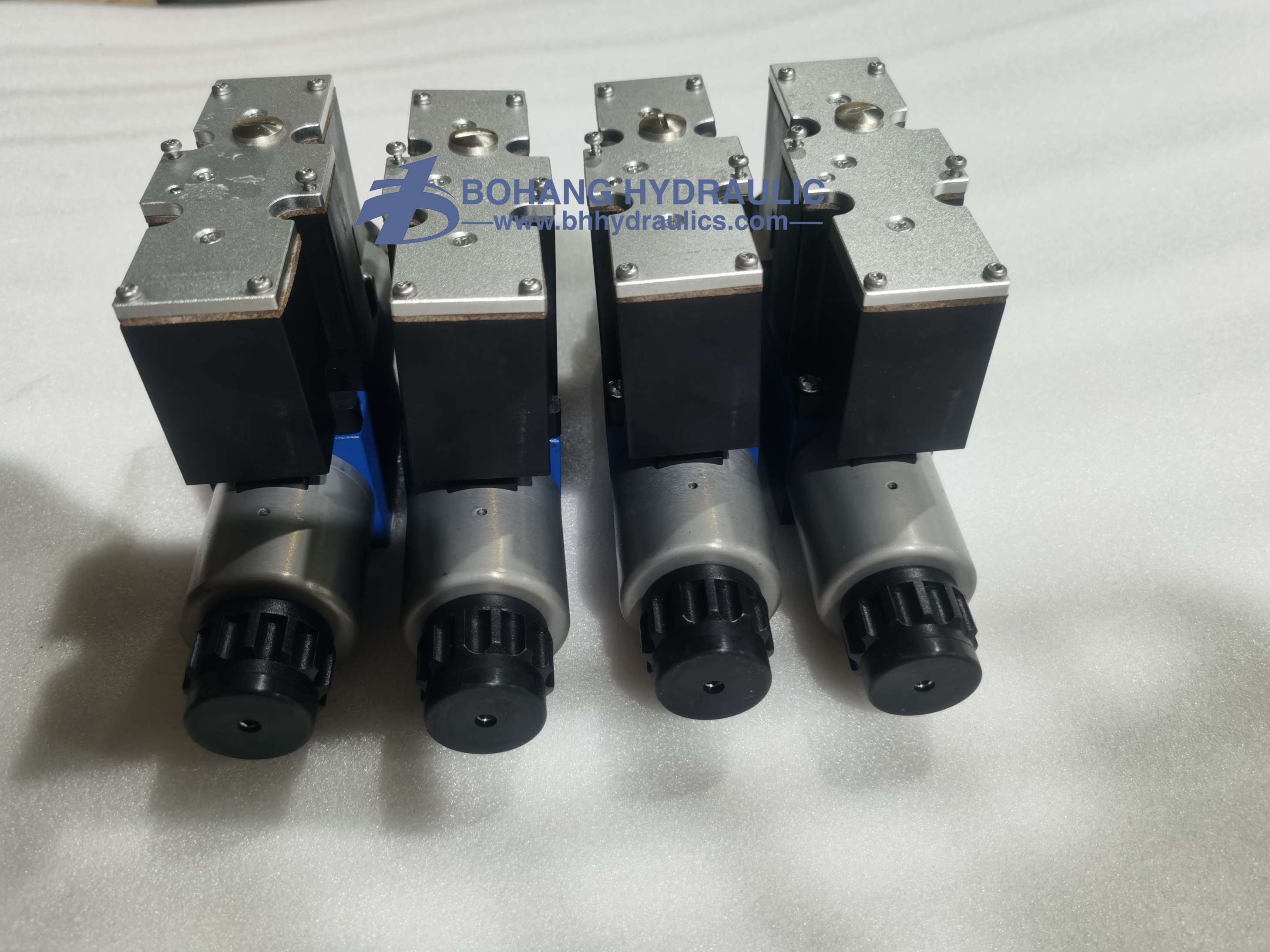
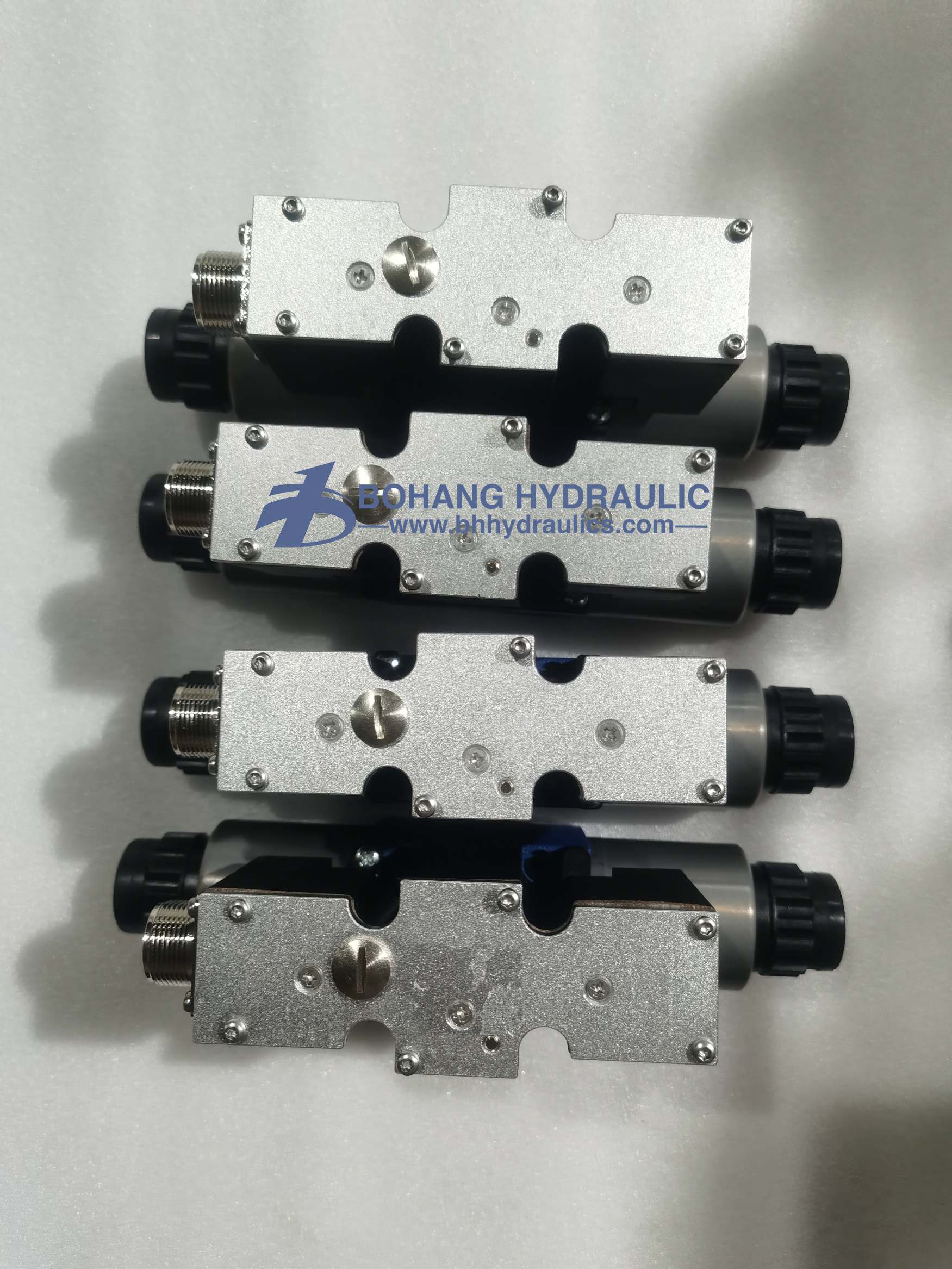
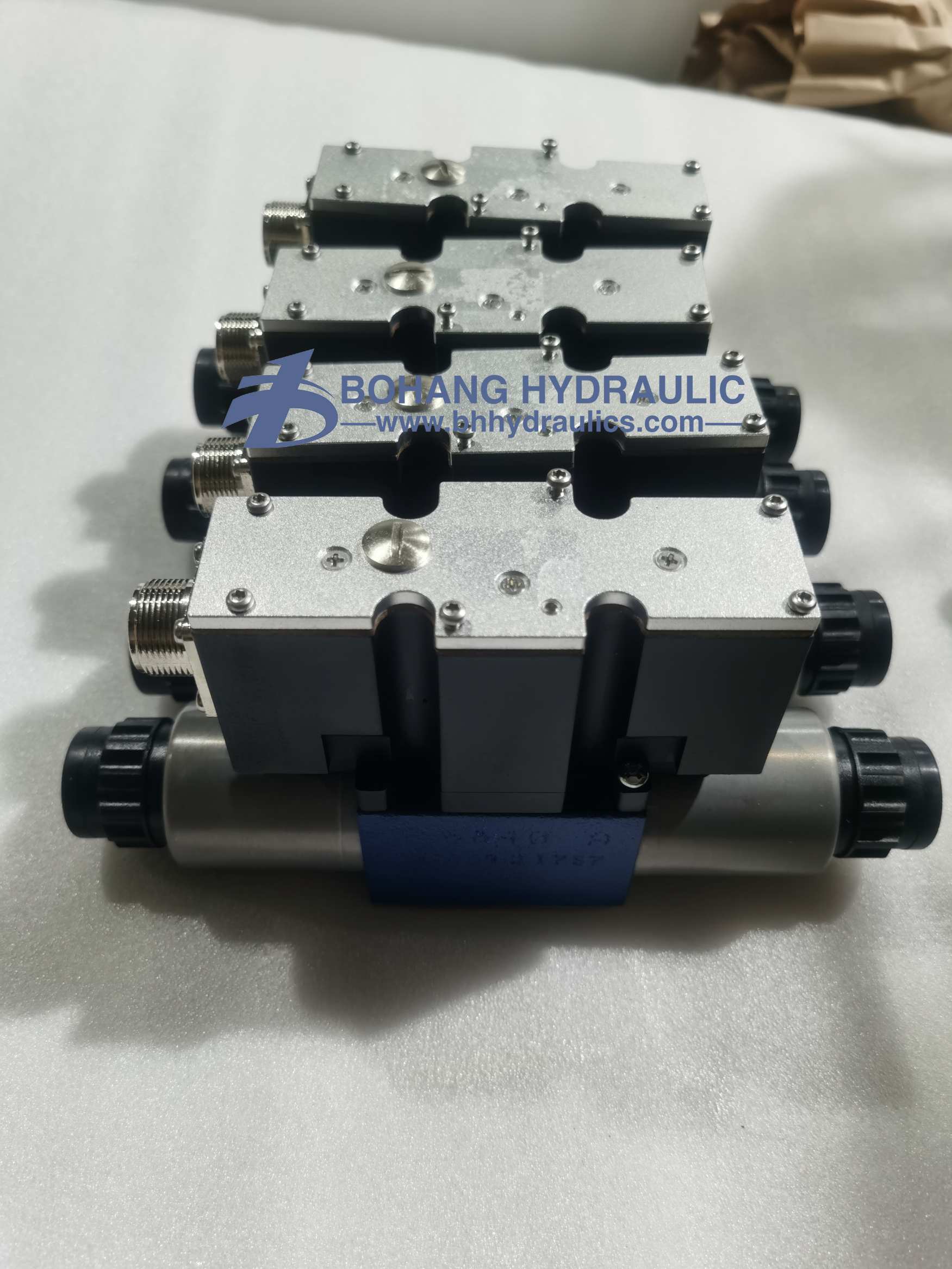
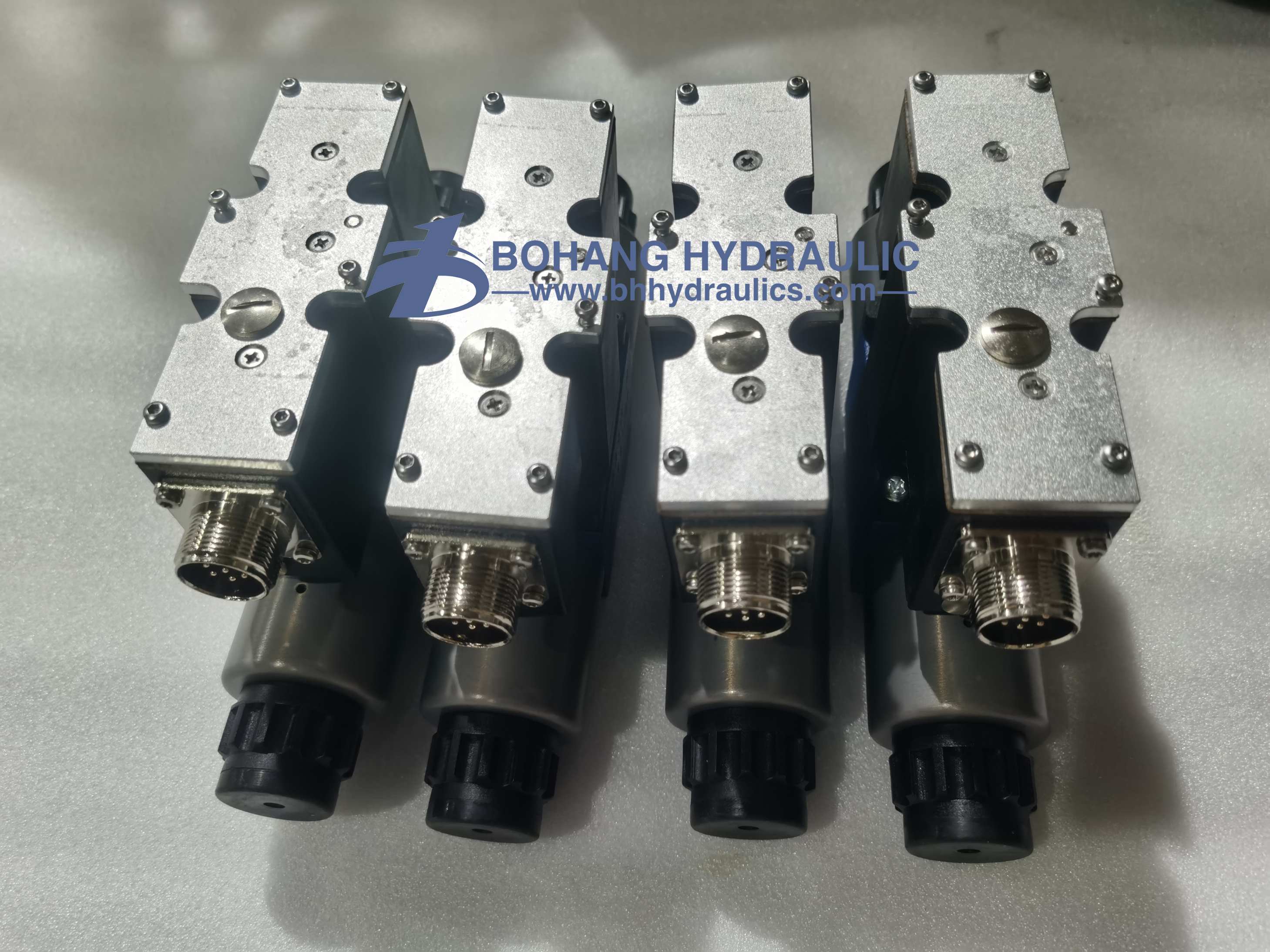
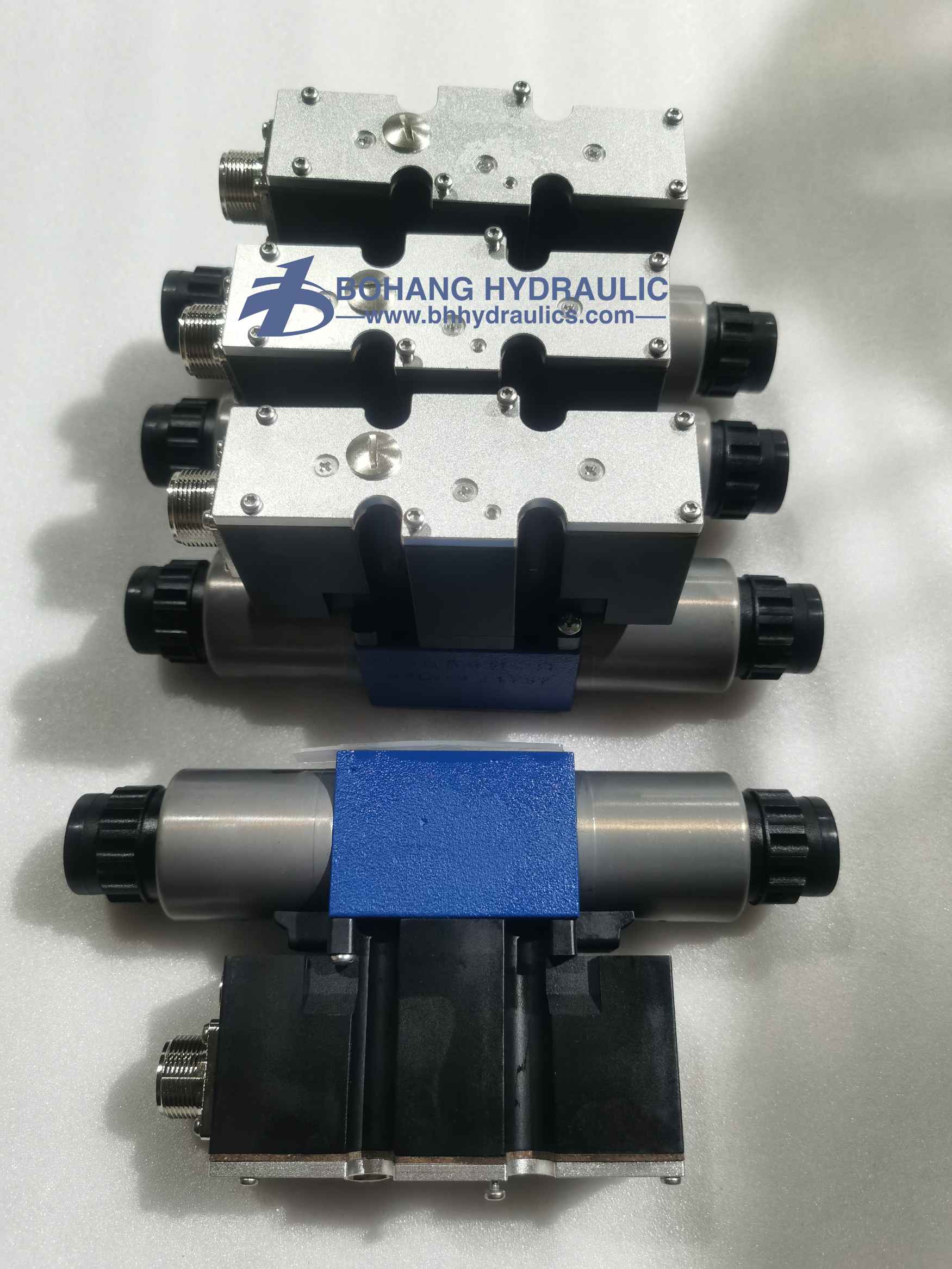
3DREP(E) replacement proportional pressure reducing valve delivers electrical control of hydraulic pressure and flow direction, up to 100 bar and 15 L/min flow. With ≤1% repeatability and ≤5% hysteresis, it helps prevent pressure fluctuation, actuator shock and unstable machine response in excavators, cranes, forklifts, agricultural equipment and even industrial systems—reducing downtime and adjustment effort during demanding daily operation.
1. Dual Electronics Options: Choose integrated electronics with 3DREPE or external control electronics with 3DREP to match different system architectures.
2. ISO 4401 Subplate Mounting: Simplifies manifold integration and supports efficient replacement of compatible hydraulic valve systems.
3. Removable Solenoid Coil: Central-thread proportional solenoids with detachable coils make service and coil replacement more convenient.
4. Optional Manual Override: Enables commissioning, testing and temporary manual operation when electrical control is unavailable.
5. Spring-Centered Spool: Provides predictable spool positioning and stable neutral behavior after solenoid de-energization.
FAQ
Q1: Why does a proportional pressure reducing valve have fluctuating output pressure?
Check whether the valve is correctly sized, the inlet pressure and flow are within range, and the electrical command signal is stable. Contaminated oil, blocked orifices, spool sticking, incorrect porting or poor calibration can also cause pressure fluctuation. Keep the hydraulic fluid within the required cleanliness level and inspect the spool and solenoid circuit.
Q2: What is the difference between 3DREP and 3DREPE?
3DREP requires external control electronics, while 3DREPE includes integrated control electronics. Select 3DREP when the machine already has a suitable amplifier or controller. Choose 3DREPE when a more integrated installation is preferred.
Q3: Is the 3DREP(E) valve a direct replacement for a Rexroth 3DREP valve?
It is marketed as a replacement series, but buyers should confirm the exact pressure stage, spool symbol, ISO 4401 mounting pattern, dimensions, seals, connectors and control electronics before installation. A model-to-model comparison is recommended.
Q4: What are the maximum pressure and flow ratings?
The product information lists a maximum pressure of 100 bar and a maximum flow of 15 L/min at a 50 bar pressure differential. The applicable pressure range depends on the selected pressure stage, so the exact model code should be checked before ordering.
Q5: How should I select the correct proportional pressure reducing valve?
Confirm required control pressure, maximum inlet pressure, working flow, hydraulic-fluid temperature, signal type and installation interface. Avoid selecting an oversized valve, as excessive capacity can reduce low-flow control resolution. Dynamic applications also require suitable response and repeatability.
Q6: Why does the valve have no response or remain at high pressure?
First verify wiring, power supply, controller output, solenoid connectors and the selected pressure range. Then check for contaminated oil, a stuck spool, blocked passages, incorrect P/A/B/T connections or excessive back pressure. Measure inlet and outlet pressure with gauges before replacing the valve