
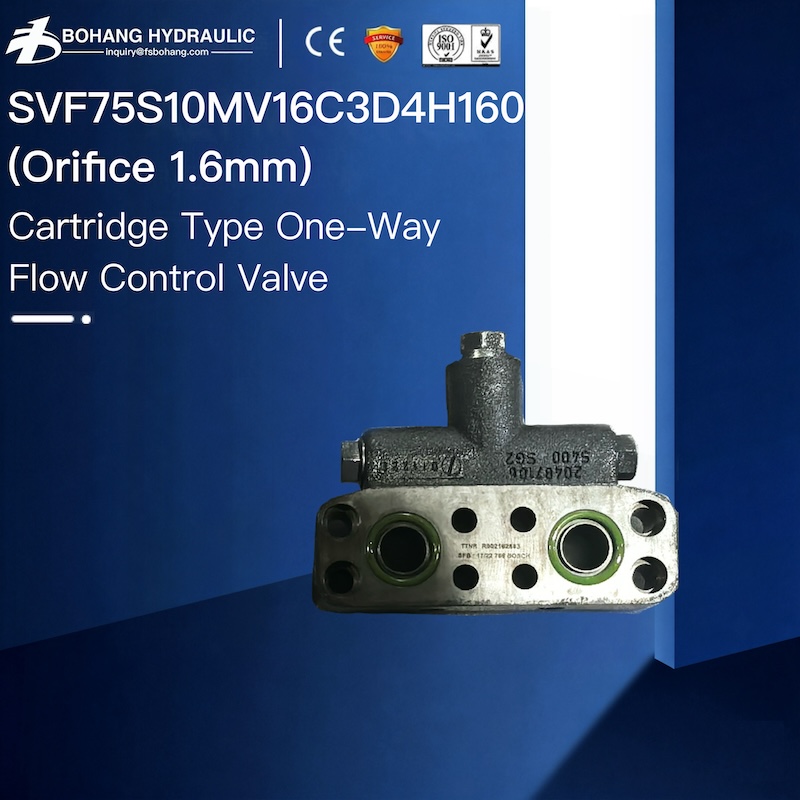
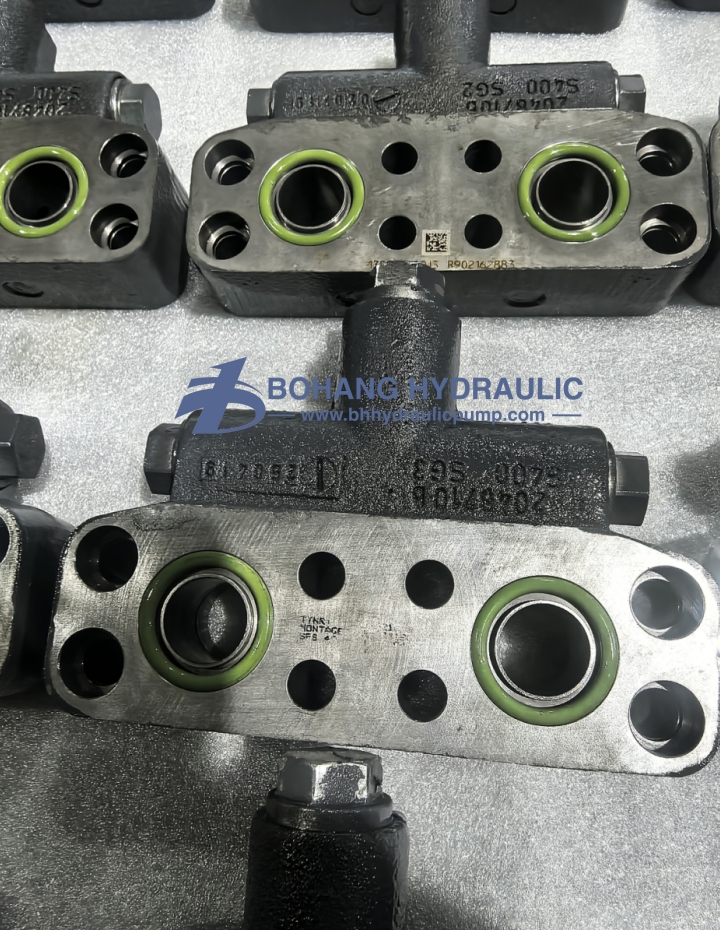
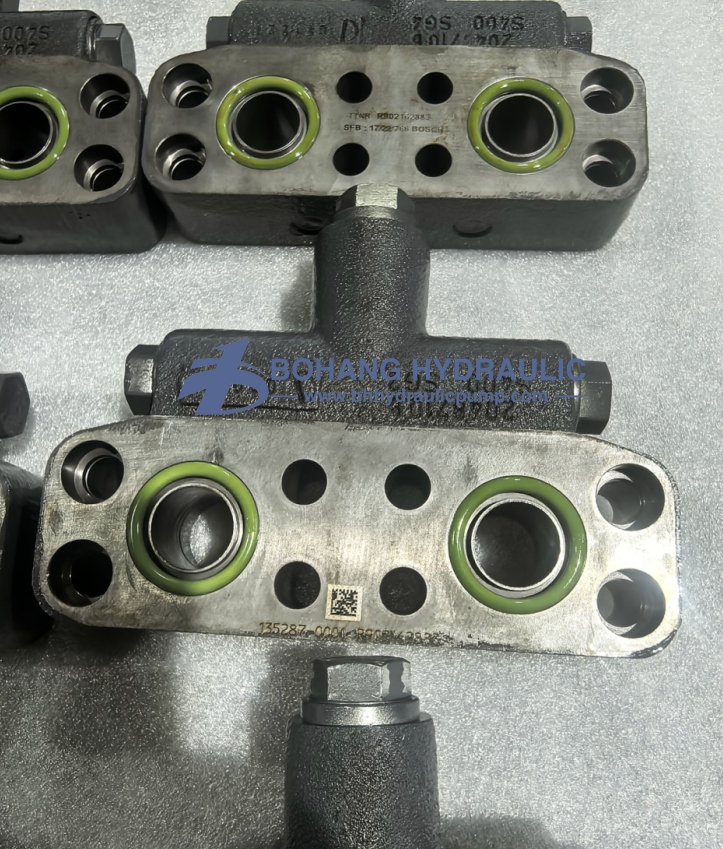
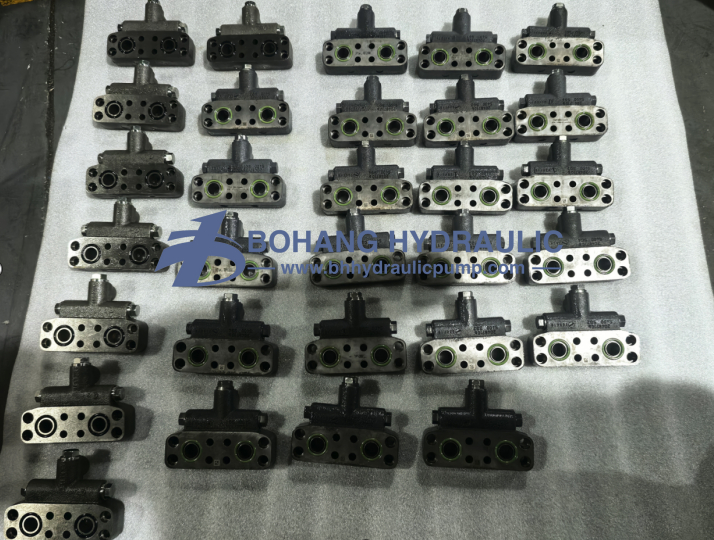
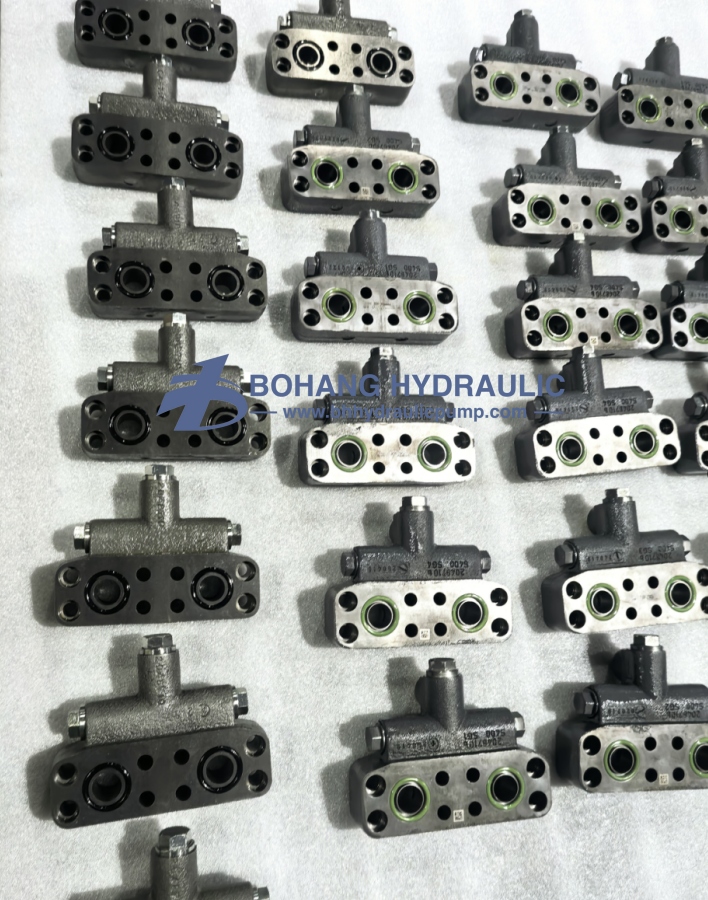
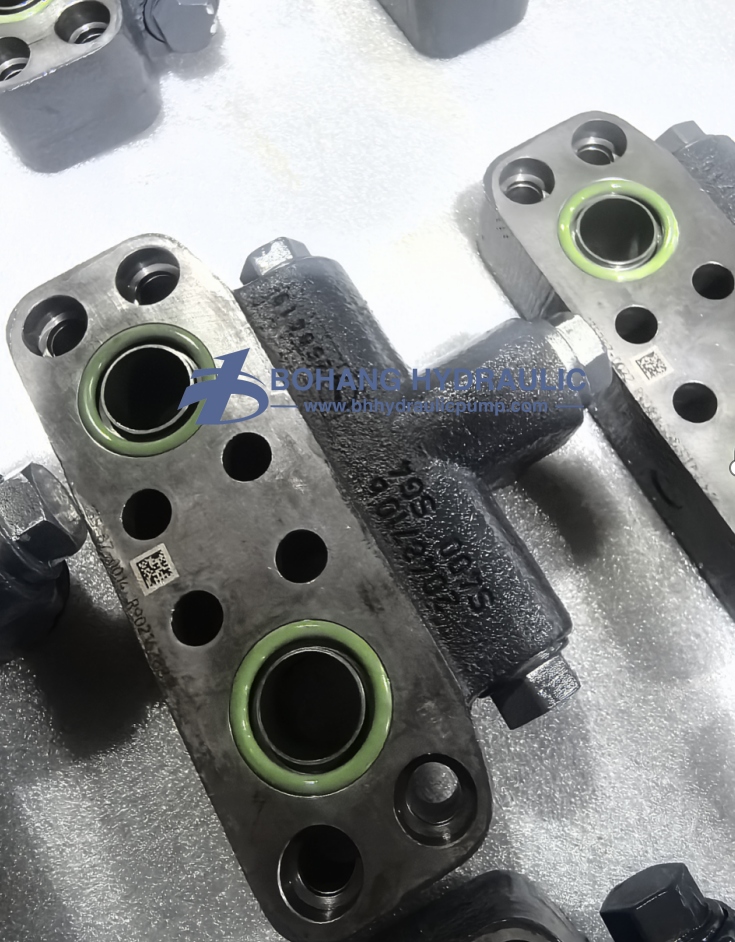
SV Series cartridge type one-way flow control valve allows hydraulic flow in one direction and blocks reverse flow to help hold an actuator load. Rated up to 315 bar and 60 L/min, it supports subplate mounting, internal or external pilot return, selectable cracking pressure and pre-opening options. For excavators, cranes, loaders, presses and mobile equipment, it helps reduce actuator drift, load drop and backflow during demanding operation.
1. Flexible Installation Position: Supports any installation orientation, making it easier to adapt to compact manifolds and retrofit layouts.
2. Corrosion Resistant Option: Provides an optional surface treatment for equipment exposed to moisture, dust or corrosive working conditions.
3. Separate Check Valve Arrangement: Allows the check function to be installed separately when the hydraulic circuit requires a different component layout.
4. Seal Material Selection: NBR and FKM versions help match the valve to different hydraulic-fluid and temperature requirements.
5. Control Area Ratio Options: Available control-area configurations help engineers coordinate pilot behavior with the load and circuit design.
FAQ
Q1: Is the SV Series a check valve or a one-way flow control valve?
A: It is primarily a replacement check valve for controlling flow direction and blocking one actuator port. It is suitable for load holding and backflow prevention. If continuous speed adjustment is required, a separate throttle or throttle-check function may be needed.
Q2: Why does the actuator slowly drift or drop under load?
A: Common causes include contamination on the valve seat, damaged sealing surfaces, incorrect flow direction, insufficient pilot pressure or excessive back pressure. Check the hydraulic schematic, pilot circuit and oil cleanliness before replacing the valve.
Q3: How do I choose the correct cracking pressure?
A: Select the cracking pressure according to the minimum pressure needed to open the valve and the load characteristics. A value that is too high can delay actuator movement, while a value that is too low may not provide the desired load holding behavior.
Q4: What is the difference between internal and external pilot oil return?
A: Internal pilot return uses the valve's main hydraulic circuit. External pilot return routes the pilot oil through a separate connection, which can be useful when outlet pressure or tank conditions may influence valve opening. The choice should follow the circuit diagram and operating conditions.
Q5: Can the valve handle 315 bar and 60 L/min at the same time?
A: The page lists a maximum operating pressure of 315 bar and maximum flow of 60 L/min. These are maximum ratings, not a guarantee that every model can operate at both limits simultaneously. Confirm the selected version, pressure drop, pilot pressure, oil temperature and duty cycle.