
Why Are Hydraulic Solutions Becoming the Core of Industry? From roaring heavy-duty construction machinery to the precise operation of automated production lines, hydraulic technology has long played an indispensable role in providing power. However, as modern industry advances toward greater intelligence and efficiency, individual hydraulic components alone can no longer satisfy complex engineering demands. It is in this context that "Hydraulic Solutions" emerged—and quickly became the driving force at the heart of modern industry.
A Hydraulic Solution is not merely an isolated product or component; rather, it represents a complete, systematic scheme for power generation and control. Whether it involves the heavy-load lifting required in construction equipment, the precision stamping utilized in industrial manufacturing, or the flight attitude control essential in the aerospace sector, each relies fundamentally on highly integrated hydraulic solutions.
This naturally leads to a pivotal question: What exactly are Hydraulic Solutions? And what is the fundamental difference between them and the standard "hydraulic systems" we commonly discuss?
What Are Hydraulic Solutions?
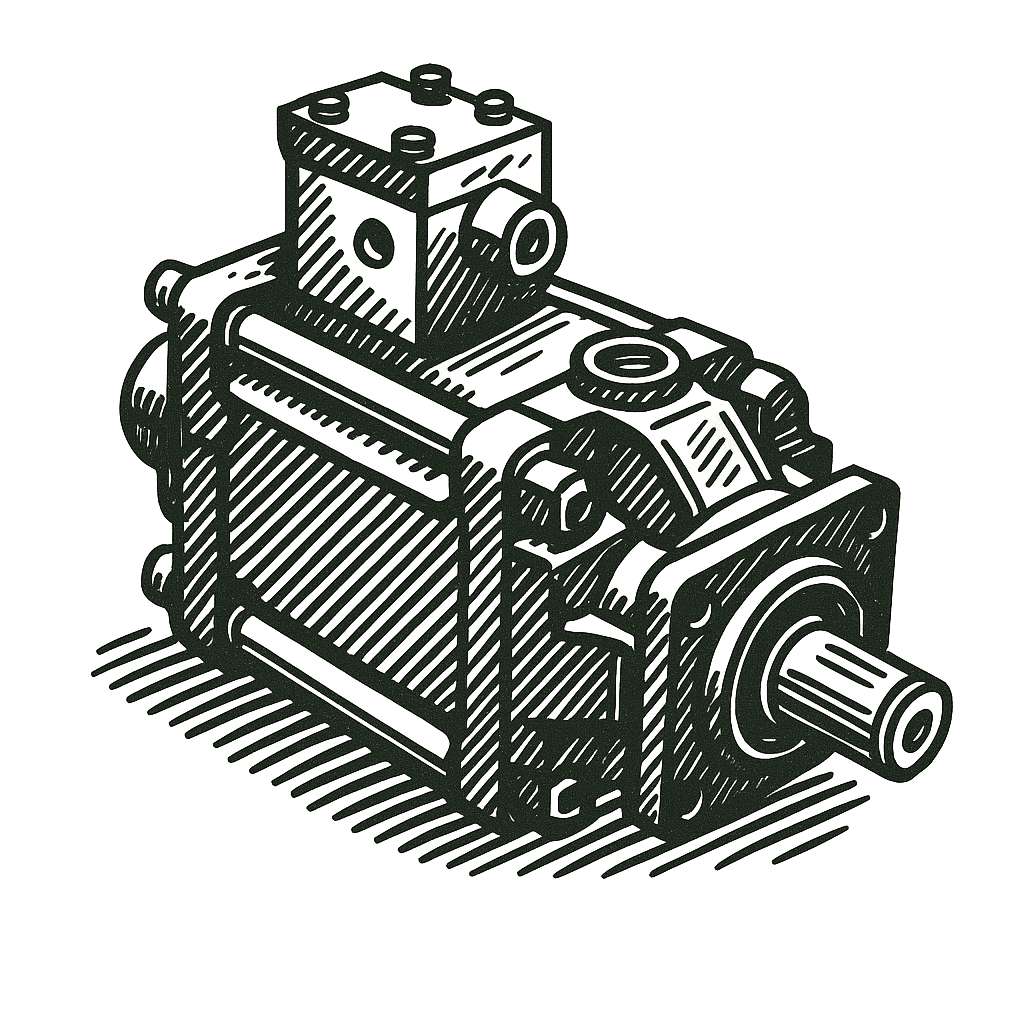
In the context of modern engineering, a "Hydraulic Solution" is a comprehensive scheme—grounded in fluid mechanics (hydraulic principles)—that integrates multiple hydraulic components through precise engineering design to address specific industrial challenges.
Its physical essence lies in utilizing pressurized fluid as a medium within a closed circuit to transmit energy, generate precise motion, and achieve a geometric amplification of force.
Key Conceptual Distinction:
Many purchasing managers and junior engineers often confuse the concepts of a "system" versus a "solution."
Hydraulic System: Focuses on the technical structure itself—specifically, the physical closed loop comprising pumps, valves, cylinders, and pipelines.
Hydraulic Solution: Focuses on the holistic, application-level scheme. It encompasses the initial analysis of operating conditions and requirements, system architecture design, component selection and matching, as well as subsequent installation, commissioning, and long-term maintenance strategies.
In a nutshell:
Hydraulic Solutions = A deeply integrated scheme combining "Physical Systems + Customized Design + Commercial Application Scenarios."
The Working Principles of Hydraulic Solutions
To fully grasp these advanced system solutions, one must return to the most fundamental laws of physics. The fundamental logic underlying hydraulic solutions is rooted in Pascal’s Law: within a closed container, pressure applied to a static fluid is transmitted undiminished to every part of the fluid. This implies that a small force applied to a small-area piston can be amplified into a tremendous thrust on a large-area piston.
The Complete Workflow:
A prime mover (such as an electric motor or diesel engine) provides the initial mechanical energy.
The hydraulic pump operates, creating a vacuum in the suction chamber to draw in hydraulic fluid, and simultaneously converting mechanical energy into high-pressure hydraulic energy within the discharge chamber.
The high-pressure hydraulic fluid acts as an energy carrier, transmitting energy through a closed network of pipelines.
Various hydraulic valves intervene to precisely control the fluid's pressure, flow rate, and direction of flow.
Finally, the fluid enters the actuators (such as hydraulic cylinders or hydraulic motors), where hydraulic energy is converted back into mechanical energy to drive the load and perform work.
Three Core Control Dimensions:
Pressure: Determines the magnitude of force or torque that the actuator can output.
Flow: Determines the speed at which the actuator moves.
Direction: Determines the movement path of the equipment—for instance, the extension and retraction of a hydraulic cylinder or the forward and reverse rotation of a hydraulic motor.
Key Components of Hydraulic Solutions
A stable and efficient solution relies on the seamless coordination of high-quality foundational components. A superior system invariably depends on state-of-the-art hydraulic pump manufacturing processes and precision component assembly. The core components include:
Hydraulic Pump:
The "heart" of the system. Responsible for converting mechanical energy into hydraulic energy, providing continuous power and flow to the entire circuit.
Hydraulic Valve: The "brain" of the system. This category includes relief valves, directional control valves, proportional valves, and others; they are responsible for regulating the system's operating pressure, distributing flow, and directing the fluid's path.
Actuators:
The "hands and feet" of the system. Primarily categorized into hydraulic cylinders (for linear motion) and hydraulic motors (for rotary motion).
Hydraulic Fluid: The "blood" of the system. It is responsible not only for transmitting energy but also serves the functions of lubricating internal components, preventing corrosion and rust, and dissipating waste heat from the system.
Reservoir & Pipeline: The system's "blood vessels and energy reservoir." Responsible for storing a sufficient volume of hydraulic fluid, separating air, allowing impurities to settle, and connecting the various physical components.
Main Types of Hydraulic Solutions
Depending on the application scenario and technical complexity, hydraulic solutions are typically categorized into four main types:
Industrial Hydraulics: Primarily used for stationary indoor equipment, such as automated production lines, large-scale injection molding machines, and metal forming presses. These solutions emphasize stability during prolonged continuous operation and extremely high precision in position control.
Mobile Hydraulics: Designed specifically for outdoor mobile machinery, such as excavators, loaders, and cranes. These systems are characterized by extremely high power density, and their components must be capable of withstanding severe vibration, dust, and extreme temperature fluctuations.
Custom Hydraulic Systems: For special operating conditions where standard components are insufficient, professional suppliers provide OEM equipment integration designs built from the ground up. This requires a robust engineering foundation and flexible manufacturing capabilities.
Smart Hydraulics: Representing the future trend of the industry. By combining electro-hydraulic proportional control technology with Internet of Things (IoT) sensors, these systems enable remote monitoring, predictive maintenance, and a high degree of automation.
Application Fields of Hydraulic Solutions
Any scenario requiring a combination of "high torque, powerful thrust, and micron-level precision control" relies heavily on hydraulic solutions:
Construction Machinery: Driving the telescopic booms of cranes and controlling the complex bucket movements of excavators.
Industrial Manufacturing: Providing smooth, downward-pressing power for massive metal forging presses weighing thousands of tons.
Agricultural Equipment: Ensuring powerful propulsion for heavy-duty tractors and combine harvesters operating in challenging soil conditions.
Energy & Aerospace: Adjusting the pitch control systems of wind turbines to adapt to changing wind speeds, or controlling the retraction and extension of landing gear and the deflection of tail rudders on large passenger aircraft.
Advantages of Hydraulic Solutions
Among the many power transmission technologies available, why do engineers favor hydraulics?
Extremely High Power Density: Hydraulic components can deliver astonishing power and torque within an incredibly compact volume and weight—a capability that electric motor drives simply cannot match.
Precise Control Capabilities: When paired with modern servo valve technology, hydraulic systems can achieve exceptionally smooth, stepless speed control and precise positioning, even under heavy loads.
Outstanding Adaptability to Harsh Environments: Thanks to their closed-loop fluid circulation and inherent self-lubricating and heat-dissipating properties, hydraulic systems remain highly reliable even in extreme operating conditions involving dust, mud, or underwater environments.
Direct Comparison with Alternatives: Compared to purely mechanical transmissions, hydraulic piping layouts offer far greater flexibility and are not constrained by spatial limitations. Compared to pneumatic systems, hydraulic systems utilize incompressible fluids, resulting in a load-bearing capacity that is hundreds of times greater, as well as smoother, vibration-free operation.
Hydraulic Solutions vs. Hydraulic Systems
To help corporate procurement teams and decision-makers clearly understand the distinction between the two, we present the following comparative analysis:
Table 1: Comparative Analysis: Hydraulic Systems vs. Hydraulic Solutions
| Feature / Aspect | Hydraulic Systems | Hydraulic Solutions |
| Definition | A physical assembly of interconnected fluid power components. | A comprehensive engineering strategy addressing specific industrial needs. |
| Scope | Limited to the physical hardware (pump, valve, actuator, etc.). | Encompasses R&D, structural design, integration, testing, and lifecycle support. |
| Primary Goal | To generate motion or transfer force via pressurized fluid. | To optimize operational efficiency, solve bottlenecks, and maximize ROI. |
| Customization | Often relies on standard, off-the-shelf component combinations. | Highly tailored, often requiring unique circuit designs and smart algorithms. |
Conclusion: A "system" is merely a collection of inanimate hardware components, whereas a "solution" serves as the bridge that transforms technical capabilities into tangible business value.
How to Choose Hydraulic Solutions
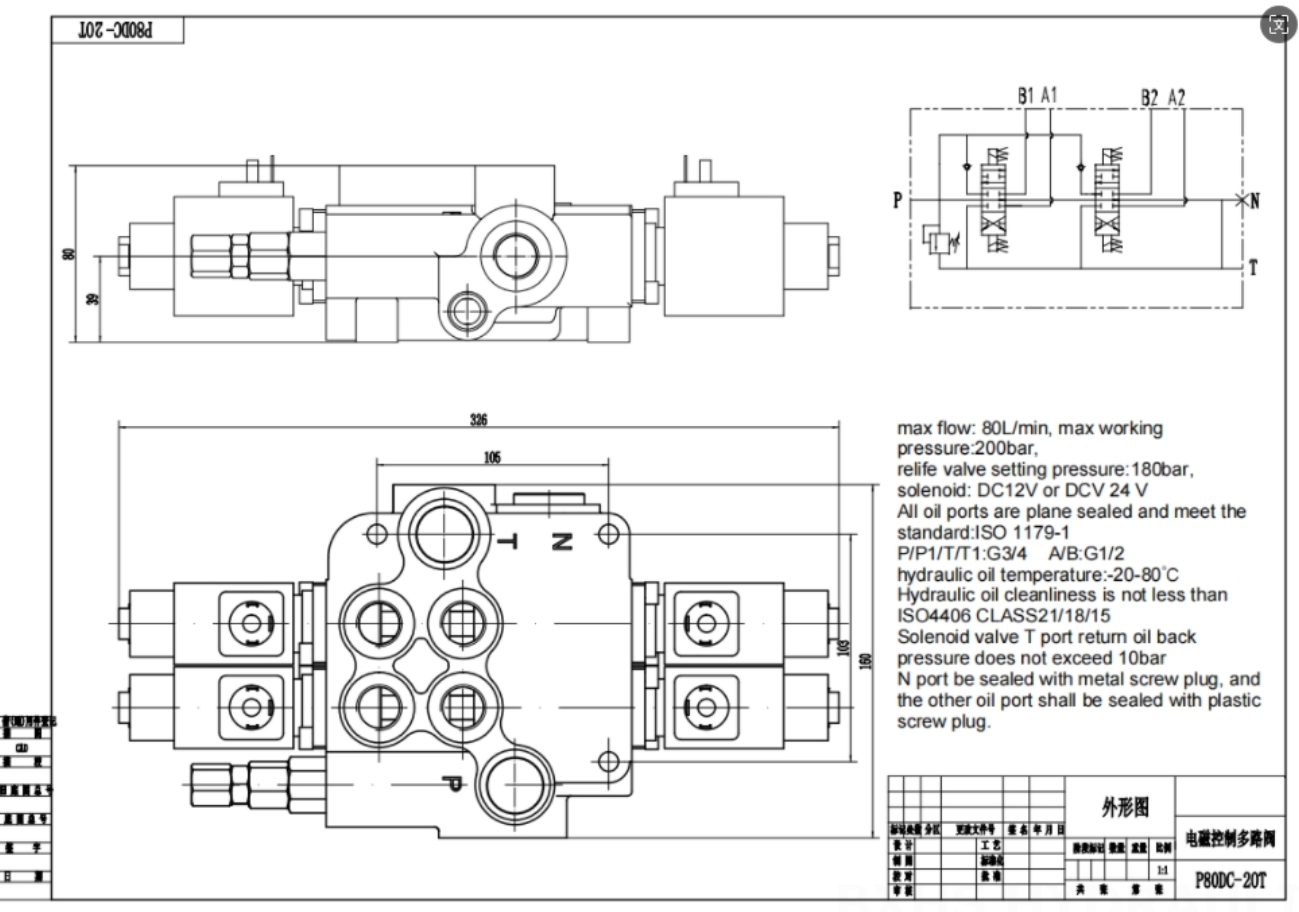
Finding the right hydraulic solution is a critical factor that can determine the ultimate success or failure of a project. When engaging with suppliers who possess a robust background in hydraulic manufacturing, it is essential to clearly evaluate them based on the following core dimensions:
Table 2: Key Parameters for Selecting Hydraulic Solutions
| Selection Factor | Engineering Consideration | Business Impact |
| Operating Environment | Temperature extremes, dust, marine, or corrosive conditions. | Determines material selection, sealing technologies, and long-term durability. |
| Pressure & Flow Demands | Peak vs. continuous pressure; required actuator speed. | Directly impacts the choice of pump series and overall energy consumption. |
| System Complexity | Need for multi-axis synchronization or load sensing capabilities. | Dictates whether standard circuits or advanced proportional valves are needed. |
| Automation Level | Requirement for PLC integration or IoT condition monitoring. | Influences upfront cost but drastically reduces future downtime and maintenance. |
Whether you are pursuing a standardized procurement or seeking a deeply customized hydraulic solution, it is absolutely vital to thoroughly evaluate the supplier's R&D capabilities, machining precision, and quality control processes for assembly and testing.
FAQ
1. What exactly is the difference between a "Hydraulic Solution" and a "Hydraulic System"?
A "system" refers to the physical hardware layer—essentially the interconnection of piping and components. A "solution," conversely, constitutes a comprehensive, turnkey engineering package that encompasses requirements analysis, custom design, installation, and commissioning.
2. What core components make up a complete Hydraulic Solution?
The power source (hydraulic pump), the control core (various hydraulic valves), the actuators (hydraulic cylinders or motors), and auxiliary components (reservoirs, piping, cooling units, and filtration systems).
3. Why does heavy industry rely so heavily on Hydraulic Solutions?
This is because only hydraulic technology can deliver unparalleled torque amplification within confined spaces, while simultaneously withstanding severe mechanical shock and maintaining exceptional control precision.
4. Can customized hydraulic solutions be sought for complex engineering challenges?
Absolutely. In fact, as industrial equipment becomes increasingly specialized, partnering with suppliers possessing independent R&D capabilities to develop non-standard, customized solutions has become a mainstream trend in modern manufacturing.
Conclusion
Hydraulic Solutions undoubtedly serve as the core driving force—the vital artery—propelling the vigorous growth of modern industry. Their fundamental role extends beyond merely transmitting energy; through the synergistic interaction of precision components, they enable the flawless control of motion and the boundless amplification of force.
Looking to the future, driven by advancements in sensor technology and materials science, hydraulic solutions are inexorably evolving toward greater intelligence, high-level electro-hydraulic integration, and extreme energy efficiency. For businesses, selecting a stable and highly efficient hydraulic solution lays the most solid foundation for both the operational longevity of their equipment and their overall production capacity.
Whether you are seeking high-standard replacement components for an existing production line or require a complex hydraulic system custom-designed for a brand-new engineering project, partnering with a professional supplier that prioritizes both technical expertise and quality is of paramount importance. We invite you to visit us; by combining our deep-rooted manufacturing heritage with cutting-edge engineering design, we will provide you with the fluid power solution best tailored to your specific needs.