
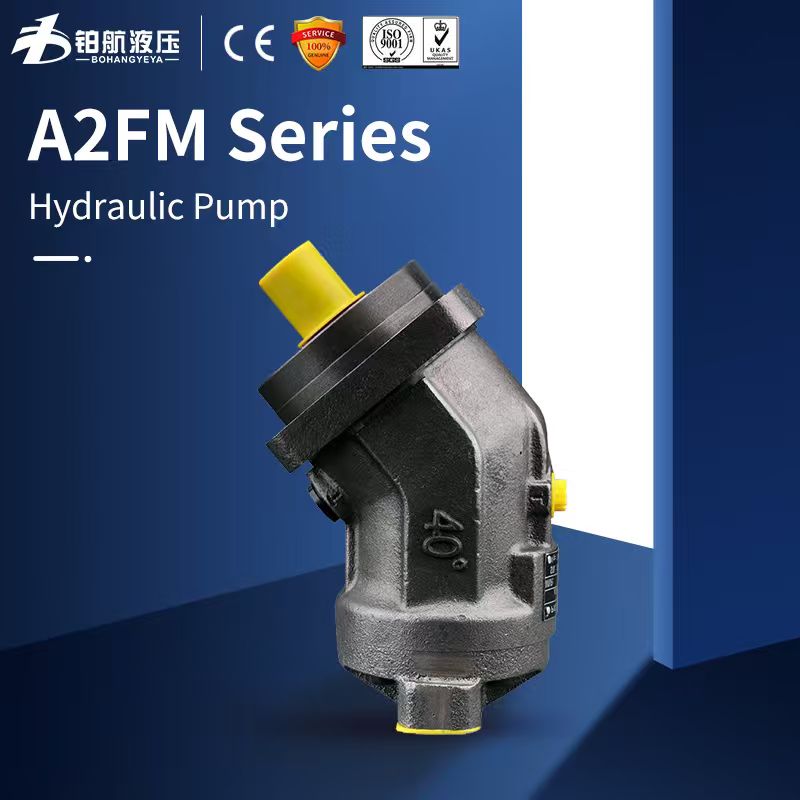
In the vast and complex landscape of modern hydraulic systems, various components work in close coordination to accomplish heavy-duty engineering tasks. If hydraulic fluid can be likened to the circulating blood of the system, then the Hydraulic Motor is undoubtedly its powerful "muscle."
As a core actuating component, without it, we would face a static industrial world: the tracks of heavy-duty excavators would be unable to move; the giant cranes at ports would be unable to hoist heavy loads; and the conveyor belts on automated production lines would come to a complete standstill. For heavy industrial equipment that relies on high torque, low speed, and shock resistance, the hydraulic motor serves as an irreplaceable power source.
This leads directly to the core technical question we will explore today: What exactly is a Hydraulic Motor? How does it convert fluid energy into the rotational power required to drive massive loads?
What is a Hydraulic Motor?
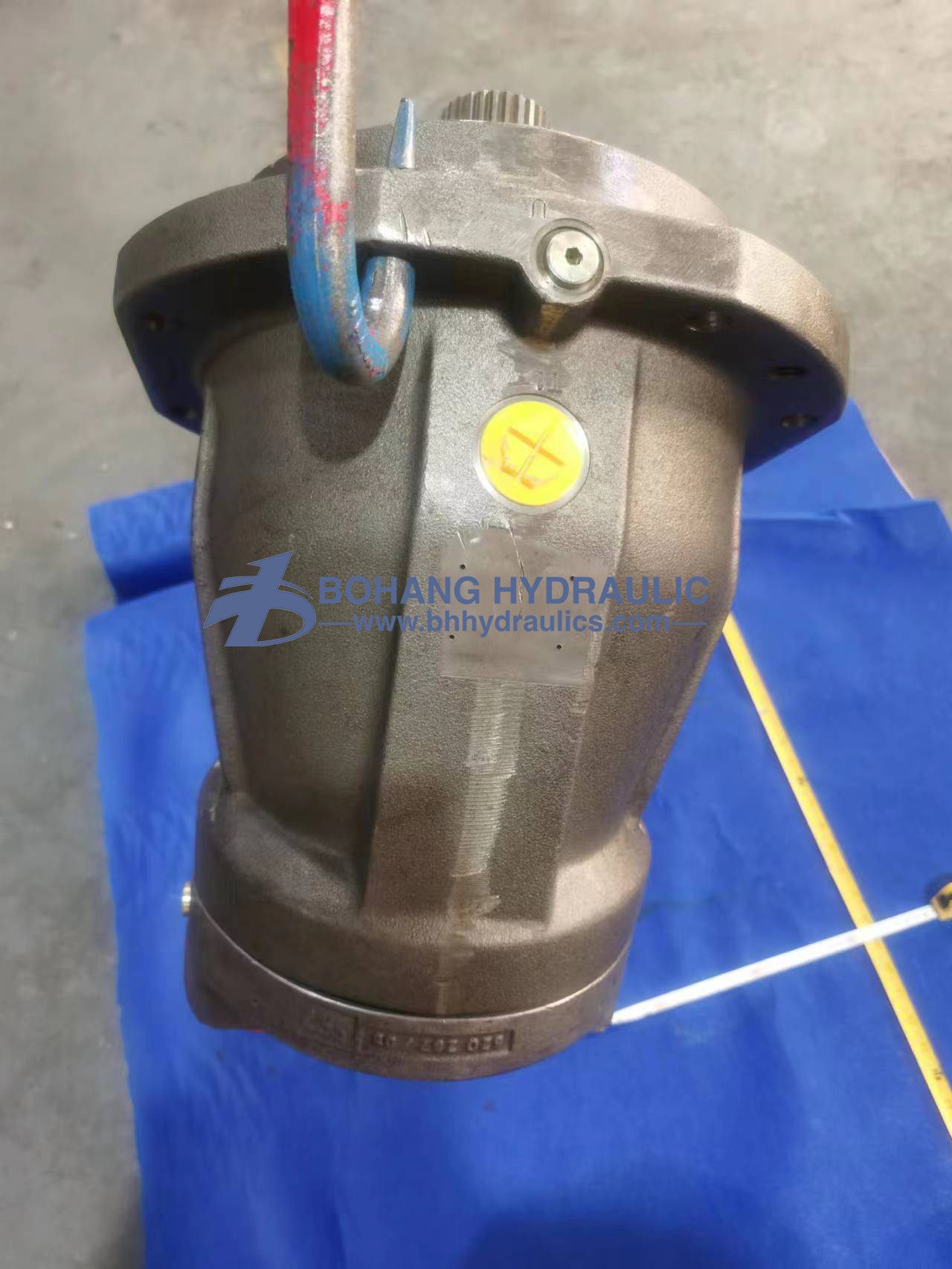
From the strict perspective of engineering dynamics, a Hydraulic Motor is an *actuator*—a device whose fundamental function is to efficiently convert the hydraulic energy within a system (manifested as fluid pressure and flow rate) into mechanical rotational energy.
When evaluating the performance of a hydraulic motor, we primarily focus on two core forms of output:
Speed: The number of rotations the motor's output shaft completes per minute.
Torque: The rotational force generated by the motor's output shaft to overcome load resistance.
To gain a more intuitive understanding, we can draw a comparison with another core component within the system:
The hydraulic pump is responsible for converting the mechanical energy from a prime mover into hydraulic energy; conversely, the hydraulic motor—situated at the other end of the hydraulic circuit—converts this hydraulic energy back into mechanical energy (rotational motion).
In short: The Hydraulic Motor serves as the "power output end" of the entire hydraulic system.
The Working Principles of a Hydraulic Motor
To gain a deep understanding of the hydraulic motor's working principles, we must examine the mechanical energy conversion process that takes place as high-pressure fluid flows through a sealed internal chamber.
1. Basic Operational Flow
The entire energy conversion process can be broken down into four distinct physical steps:
First, high-pressure hydraulic fluid from the system is forced into the interior of the motor through the inlet port. Secondly, the high-pressure fluid acts directly upon the internal mechanical components of the motor (such as gear teeth, rotor vanes, or cylinder plungers).
Subsequently, due to the incompressibility of the fluid and the presence of a significant pressure differential, these internal components are compelled to undergo physical displacement; this, in turn, drives the central output shaft to generate continuous rotational motion, thereby producing torque.
Finally, the low-pressure hydraulic fluid—having completed its work—is discharged through the outlet port, flowing back to the reservoir or entering the next system cycle.
2. Core Control Logic
In any comprehensive hydraulic solution, precisely controlling the motor's output by adjusting input parameters is of paramount importance.
Flow determines speed: The greater the volume of hydraulic fluid entering the motor, the higher the frequency at which its internal components are driven, resulting in a faster rotational speed of the output shaft.
Pressure determines torque: The higher the fluid pressure supplied by the system, the greater the motor's capacity to overcome external load resistance, and consequently, the higher the output torque.
Furthermore, within the control circuit, high-precision hydraulic valves are typically employed to precisely regulate the flow and pressure entering the motor, thereby enabling smooth startup, stepless speed control, and safe reversal of the equipment.
Main Types of Hydraulic Motors
Different industrial applications impose vastly different requirements regarding rotational speed and torque. Based on their internal structural characteristics, the industrial sector primarily classifies hydraulic motors into three major categories:
1. Gear Hydraulic Motors
Gear motors utilize two intermeshing gears that rotate under the influence of fluid pressure.
Characteristics: Extremely simple structure, low manufacturing costs, and high tolerance for hydraulic fluid contamination.
Applicable Scenarios: Typically suited for applications requiring high rotational speeds but with moderate-to-low torque requirements—such as driving fans in agricultural machinery or powering simple material conveyor belts.
2. Vane Hydraulic Motors
High-pressure fluid pushes against vanes seated within the rotor slots, causing the rotor to rotate.
Characteristics: Due to the uniform distribution of force acting on the vanes, operation is exceptionally smooth, and noise control is excellent. Applicable Scenarios: Primarily used in indoor industrial environments requiring medium speeds, moderate torque, and strict standards for operational smoothness—such as in machine tool spindle drives.
3. Piston Hydraulic Motor
Operates by utilizing high-pressure fluid to drive the reciprocating motion of pistons within a cylinder block, subsequently converting this linear motion into rotational motion via a swashplate or crankshaft mechanism.
Key Features: Possesses extremely high volumetric efficiency and is capable of withstanding extreme system pressures.
Applicable Scenarios: The preferred choice for heavy industry applications and high-load equipment.
Expanding from an engineering application perspective, engineers typically categorize hydraulic motors into two major groups during the selection process: High-Speed, Low-Torque (HSLT) motors and Low-Speed, High-Torque (LSHT) motors. Particularly in hoisting systems and tracked propulsion mechanisms, LSHT motors hold a dominant position, distinguished by their ability to generate immense torque output without the need for a gearbox.
Core Components of a Hydraulic Motor
A hydraulic motor capable of continuously delivering power under harsh operating conditions represents the pinnacle of precision machining craftsmanship. A superior hydraulic manufacturing ecosystem must ensure that the following core components possess exceptional precision and fatigue resistance:
Rotor and Stator Assembly: The central zone where energy conversion takes place.
Drive Shaft (Output Shaft): Subjected to immense torsional stress and radial loads; serves as the direct link to external working mechanisms.
Inlet / Outlet Ports: Fluid-dynamically optimized channels designed to minimize localized pressure losses.
Bearings: Support high rotational speeds and heavy loads; their service life directly dictates the motor's maintenance cycle.
Seals: Prevent internal leakage of high-pressure fluid (which would reduce efficiency) and external leakage (which would contaminate the environment).
The precise interplay of these components exemplifies the engineering depth inherent in the fields of top-tier hydraulic pump and motor manufacturing.
Application Fields of Hydraulic Motors
Any industrial scenario characterized by rigorous demands—such as "heavy-load starting, low-speed/high-torque operation, and frequent directional reversals"—serves as an ideal stage for hydraulic motors.
Construction Machinery: Slewing mechanisms and track drives for excavators; hoisting winches for heavy-duty cranes; and power distribution systems for wheel loaders. Industrial Manufacturing: Heavy-duty material handling systems on automated production lines, plasticizing mechanisms for large injection molding machines, and metal rolling equipment.
Agricultural Machinery: Cutterbar drives for combine harvesters and auxiliary power take-offs (PTO) for large tractors.
Heavy-Duty Equipment: Drilling rigs for underground mining machinery, and anchor windlass and steering gear systems for the marine industry.
The core logic is crystal clear: in high-intensity, high-shock environments—where traditional electric motors struggle to cope—the hydraulic motor offers the optimal engineering solution.
Advantages of Hydraulic Motors
Compared to electric or pneumatic motors, engineers favor hydraulic motors primarily due to their overwhelming physical advantages:
Exceptional High Torque Output: Particularly at zero or extremely low rotational speeds, they can still generate a starting torque that approaches their theoretical maximum limit.
Superior Shock Resistance: Hydraulic fluid possesses inherent damping and buffering properties; consequently, the mechanical structure remains highly resistant to damage when subjected to sudden load changes or severe vibrations.
Adaptability to Harsh Environments: Thanks to a fully enclosed, oil-lubricated circuit, hydraulic motors are completely impervious to dust and mud, and can even operate directly underwater.
High Power Density: Occupying only a fraction of the volume of an electric motor with equivalent power output, they are ideally suited for mobile equipment where space is severely constrained.
Hydraulic Motors vs. Hydraulic Pumps
To clarify the system logic more precisely, we will compare these two components, which are frequently confused with one another.
Table 1: Comparative Analysis—Hydraulic Motor vs. Hydraulic Pump
| Feature Aspect | Hydraulic Motor | Hydraulic Pump |
| Primary Function | Outputs mechanical rotational power. | Supplies fluid power to the system. |
| Energy Conversion | Converts Hydraulic Energy into Mechanical Energy. | Converts Mechanical Energy into Hydraulic Energy. |
| System Position | Located at the execution end of the circuit. | Located at the power generation source. |
| Input Variable | Receives pressurized fluid and flow. | Receives mechanical torque and speed. |
Key Conclusion: While their physical structures are highly similar—and in some respects, even mirror images of one another—within the context of the complete hydraulic system, they function as "inverse devices."
How to Select a Hydraulic Motor
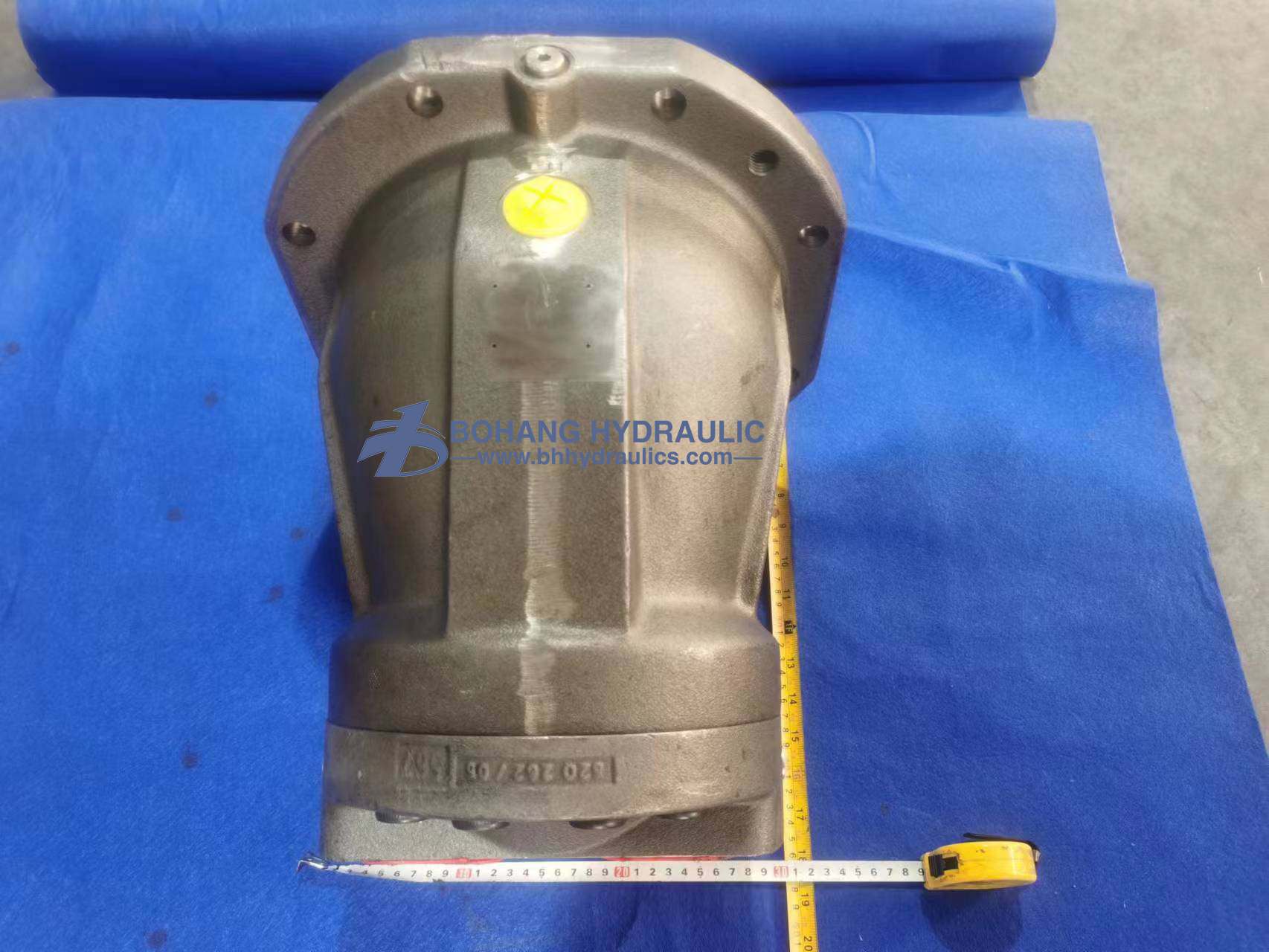
When consulting a hydraulic motor selection manual, making the correct choice is critical; it determines not only whether the equipment will function properly but also impacts the system's energy consumption and procurement costs. Faced with complex engineering requirements, professional hydraulic motor manufacturers will typically ask you to specify the following core parameters:
Table 2: Key Factors for Hydraulic Motor Selection
| Selection Factor | Technical Consideration | System Impact |
| Required Torque | Continuous load and peak startup resistance. | Determines the physical size and internal displacement of the motor. |
| Operating Speed | Desired RPM range (HSLT vs. LSHT). | Dictates the motor type (e.g., gear for high speed, radial piston for low speed). |
| System Pressure | Maximum operating pressure limit of the circuit. | Impacts material selection and the overall durability of internal components. |
| Application Environment | Temperature extremes, contamination risks. | Influences the choice of shaft seals, bearings, and casing materials. |
If standard models cannot meet the specific spatial layout or performance requirements of specialized machinery, partnering with a high-quality supplier that offers "custom hydraulic solutions" for non-standard development is crucial to ensuring project success.
FAQ
During technical consultations, we frequently encounter the following core questions:
1. What is the fundamental difference between a hydraulic motor and a standard electric motor?
Electric motors rely on electromagnetic fields to generate power; they tend to be bulky and are prone to overheating and burnout when operating under heavy loads at low speeds. Hydraulic motors, conversely, are driven directly by fluid pressure, making them inherently suited for demanding environments involving high loads, low speeds, and frequent start-stop cycles.
2. Why are hydraulic motors capable of generating such immense torque?
This capability stems from the combined effects of Pascal's Law and mechanical structural amplification. The thrust generated by high-pressure fluid acting upon large-surface-area plungers or gear teeth is converted—via eccentric shafts or swashplates—into exceptionally powerful rotational torque.
3. Can hydraulic motors operate in reverse?
Absolutely. Thanks to their symmetrical fluid channel design, a hydraulic motor can achieve instant and smooth mechanical reversal simply by using a directional control valve to alter the flow direction of the hydraulic fluid.
4. What are the most common failure modes for hydraulic motors?
Given their constant exposure to high-pressure conditions and mechanical wear, the most common failures include leaks caused by aging internal seals, a loss of power resulting from declining volumetric efficiency, and severe internal component wear—along with system overheating—caused by contamination of the hydraulic fluid.
Conclusion
Throughout the evolution of modern industrial equipment, the hydraulic motor has consistently maintained its status as the "actuating core" of hydraulic systems. Its critical role is irreplaceable: transforming the immense energy contained within high-pressure fluids into the powerful rotational force that drives the world's machinery.
Whether you are designing brand-new heavy machinery or upgrading an existing production line, correctly understanding and selecting the appropriate hydraulic motor will directly determine your equipment's ultimate performance, operational efficiency, and asset lifecycle. To ensure your system delivers maximum power output with long-term stability, partnering with a supplier that possesses deep technical expertise and precision manufacturing capabilities is of paramount importance. If you are seeking reliable power actuation components for your heavy-duty equipment, or require a customized fluid power solution, we invite you to visit the official Bohang Product Center: the BH Hydraulic Motor Series and Custom Services. We are committed to leveraging world-leading hydraulic manufacturing technology to provide robust and reliable power support for every one of your engineering operations.