
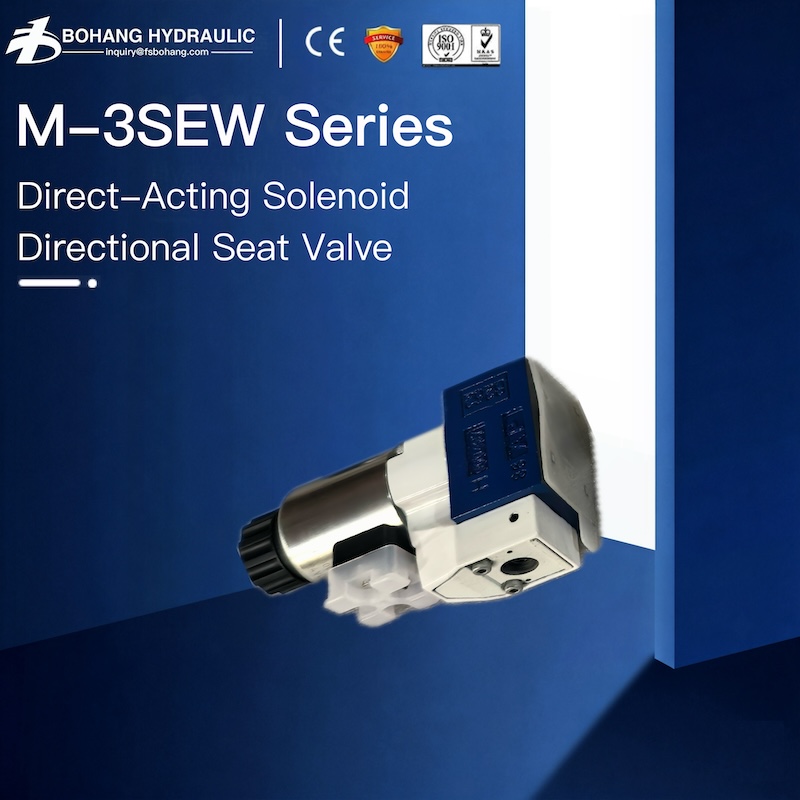
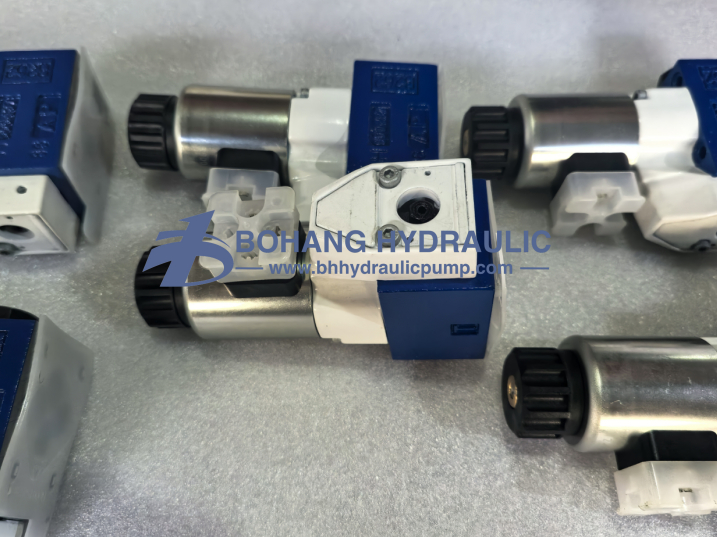
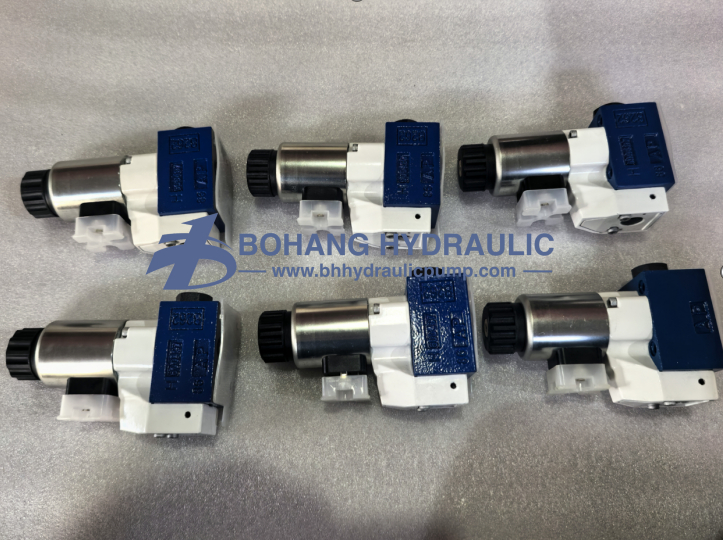
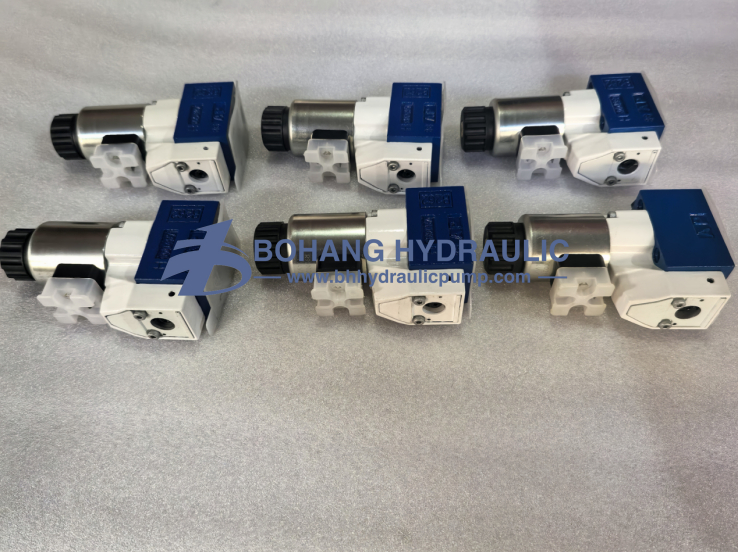
SEW Series Direct-Acting Directional Seat Valve provides flow switching for mobile and hydraulic systems. Rated up to 420/630 bar with 25 L/min flow, it helps reduce actuator drift, pressure loss and unreliable motion caused by worn spool valves or poor shutoff. Direct solenoid actuation and a hardened seat support dependable start-stop control in high-pressure applications, reducing leakage-related downtime and maintenance interruptions.
1. Flexible Circuit Functions: Choose 2/2, 3/2 or 4/2 directional designs for different cylinder and motor circuits.
2. Standardized Face Mounting: DIN 24340 Form A, ISO 4401-03-02-0-05 and NFPA D03 interfaces simplify manifold integration.
3. Detachable Coil Service: Replace the solenoid coil without opening the pressure-tight chamber, reducing maintenance time.
4. Installation Flexibility: Rotate the solenoid by 90° and install the valve in any permitted mounting position.
5. Feedback and Manual Control: Optional manual override, inductive position switch and contactless proximity sensors support testing and system monitoring.
FAQ
Q1: What is a direct-acting directional seat valve used for?
A: It controls the start, stop and direction of hydraulic flow. The valve is suitable for controlling cylinders, motors and clamping circuits in mobile machinery, machine tools and industrial hydraulic systems.
Q2: Why does my hydraulic actuator drift when the solenoid valve is closed?
A: Possible causes include seat contamination, damaged sealing surfaces, incorrect port connections, excessive load or leakage elsewhere in the actuator circuit. Inspect the valve seat, clean the hydraulic oil and confirm that the selected 2/2, 3/2 or 4/2 function matches the circuit.
Q3: Why does the solenoid click but the actuator does not move?
A: Check the actual voltage at the coil, connector wiring, hydraulic pressure, flow direction, port connections and valve contamination. A clicking sound confirms coil movement but does not guarantee that the hydraulic passage has opened correctly.
Q4: How do I choose between a 2/2, 3/2 and 4/2 SEW valve?
A: Select the valve according to the number of ports and required flow path. A 2/2 valve provides simple on/off control, a 3/2 valve switches one actuator path, and a 4/2 valve controls two working ports for directional cylinder or motor movement. Always verify the hydraulic symbol before ordering.
Q5: Will the SEW valve fit my existing manifold?
A: Confirm the complete mounting interface, not only the port size. The SEW series uses DIN 24340 Form A, ISO 4401-03-02-0-05 and NFPA D03 patterns. Also check valve dimensions, spool function, coil voltage, connector and maximum pressure.
Q6: Should I use the 420 bar or 630 bar version?
A: Choose the pressure version according to the actual circuit pressure, pressure peaks and the valve’s performance limit curve. Do not select only by the system’s nominal pressure. Confirm the exact model code, port pressure and safety margin before installation.