
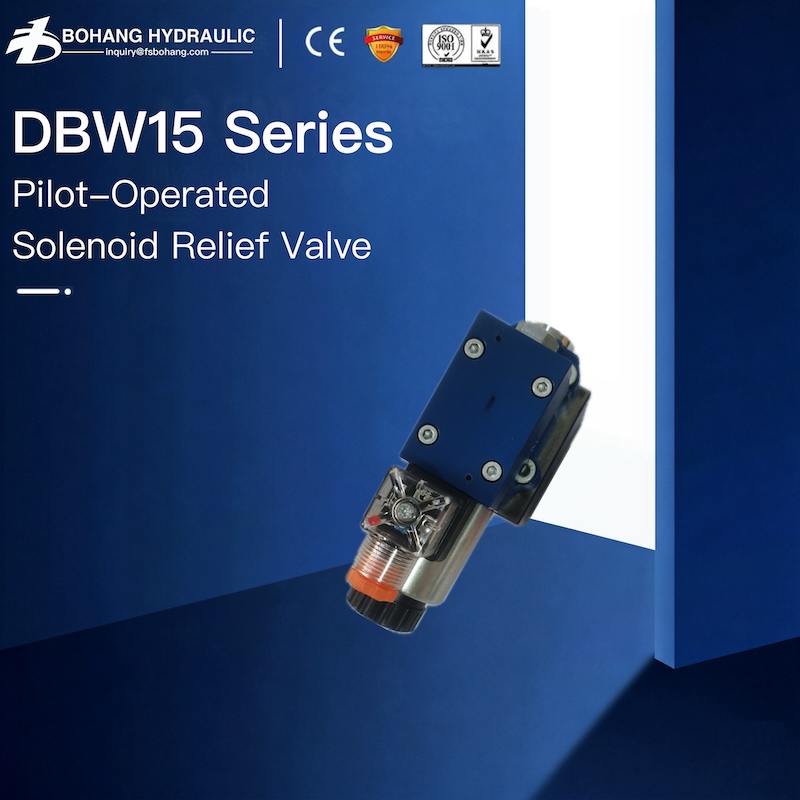
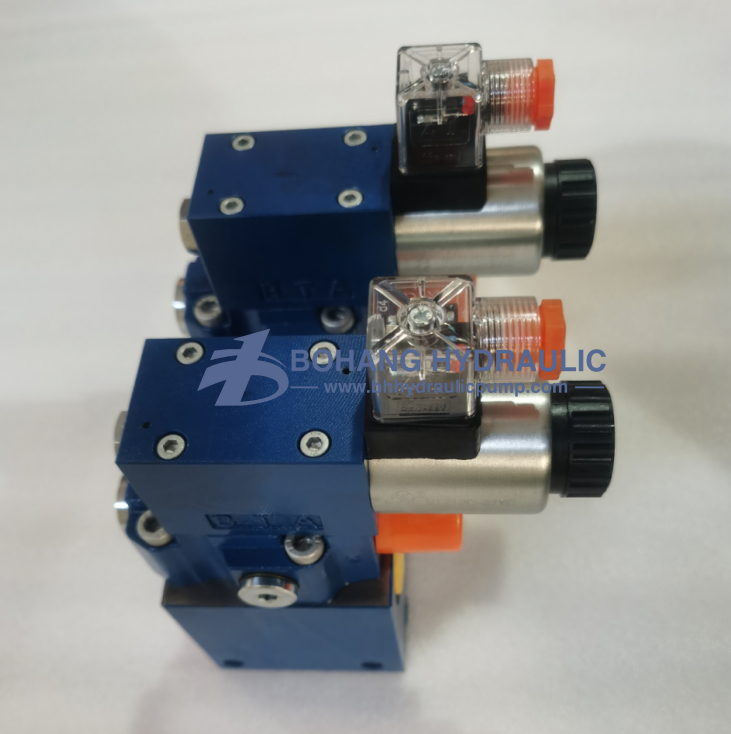
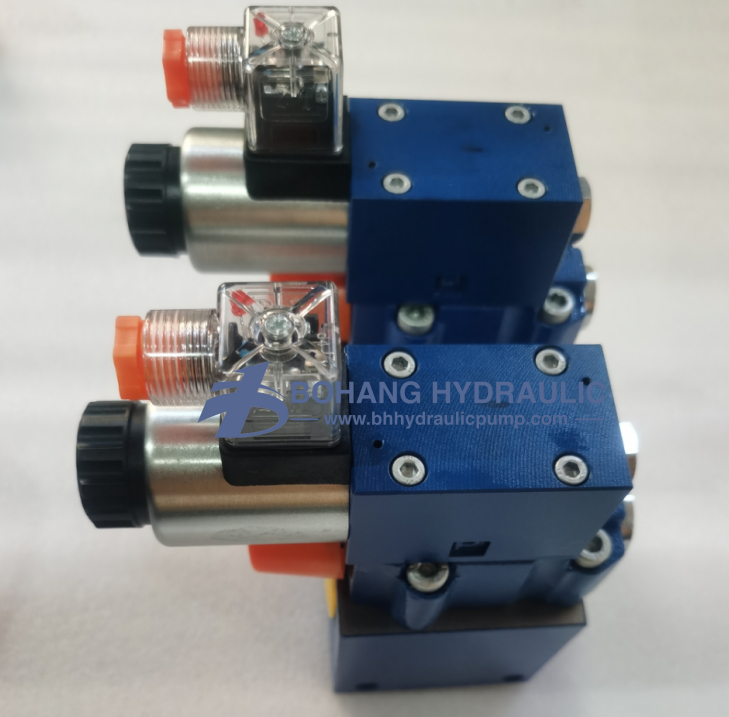
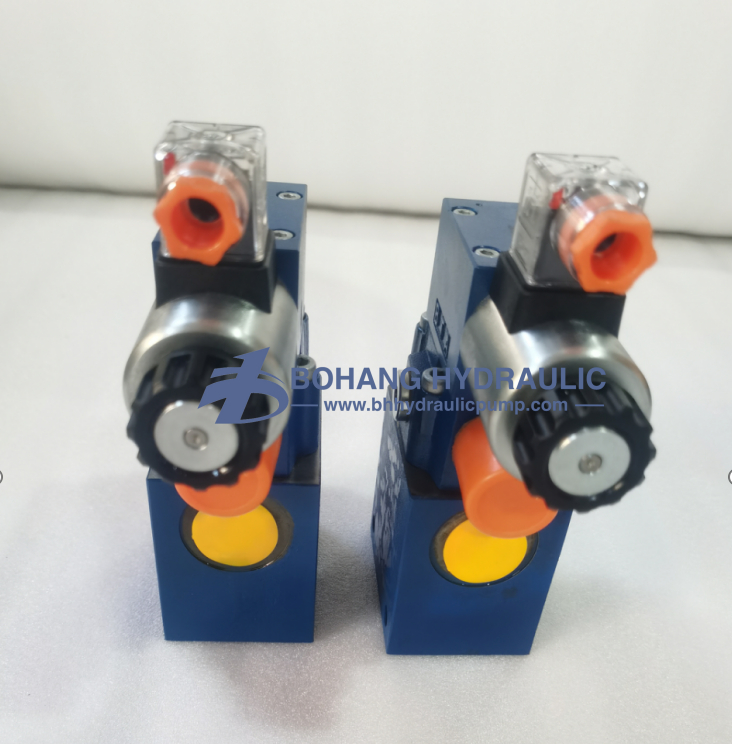
Designed for high pressure hydraulic systems, DBW15 Series pilot operated solenoid relief valve combines a pilot stage with a main valve for pressure limitation and electrical unloading. With settings up to 350 bar and flow capacity up to 650 L/min, it supports excavators, presses, cranes, injection molding and oil and gas equipment, helping reduce overload risk, heat from continuous relief flow and manual intervention during demanding operation.
1. Flexible Connection Options: Supports subplate mounting and threaded connection for different hydraulic circuit layouts.
2. Multiple Pressure Stages: Available pressure settings of 50, 100, 200, 315 and 350 bar help match different system requirements.
3. Switching Shock Damping: The optional damping function helps moderate pressure changes during solenoid controlled unloading.
4. Broad Size Selection: NG10 to NG32 versions support different flow capacities and machine power levels.
5. Corrosion Protected Housing: The optional protected design is useful for equipment exposed to moisture, dust and challenging site conditions.
FAQ
Q1: What is the difference between a pilot operated relief valve and a direct acting relief valve?
A: A pilot operated valve uses a smaller pilot stage to control the main valve. This arrangement is useful for higher flow circuits because the solenoid and pilot stage do not need to directly handle the full main flow.
Q2: What does the DBW solenoid unloading function do?
A: The integrated directional valve or seat valve can unload the main relief valve through the pilot circuit. This allows the pump to circulate at a lower pressure when full system pressure is not required.
Q3: Why does the system pressure remain too high after the solenoid is energized?
A: Check the solenoid voltage, connector, directional valve, pilot passages, port X connection and tank return line. Contamination or excessive back pressure in the pilot circuit can prevent proper unloading.
Q4: Why can the relief pressure not reach the selected setting?
A: Confirm the pressure stage, flow rate, pilot supply and adjustment setting. The minimum set pressure can depend on flow, and a blocked pilot orifice, leaking seat or incorrect drain connection may also affect the result.
Q5: Why does a relief valve create excessive hydraulic heat?
A: Continuous pump flow through the relief valve at high pressure converts hydraulic power into heat. Check whether the pressure setting is too high, the pump is continuously unloading through the valve or the circuit requires a separate standby control strategy.
 ▶ Port P, X