
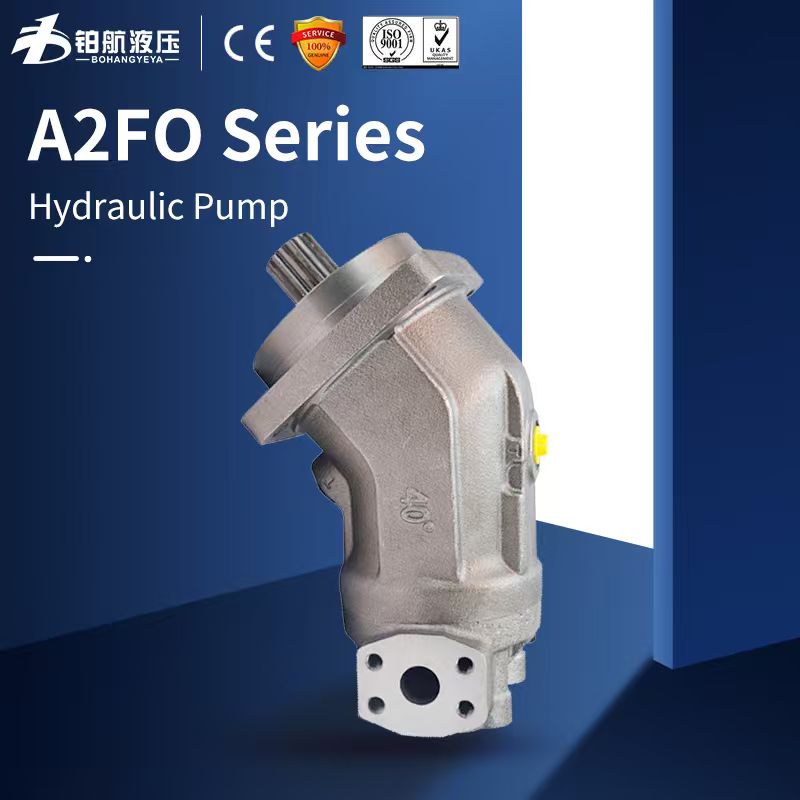
A hydraulic motor is a key actuator in hydraulic systems that converts pressurized oil into rotational mechanical power. It is widely used in construction machinery, agricultural equipment, industrial drives, and marine applications where stable torque and reliable output are required.
Inside the motor, multiple precision components work together under high pressure to generate rotation. Parts such as the housing, shaft, bearings, seals, ports, and internal rotating assemblies directly influence efficiency, torque stability, leakage control, and service life. Even small design differences in these components can significantly affect overall performance and durability.
For engineers and buyers, understanding how these parts work together helps in selecting the right motor for different working conditions and avoiding premature failure in real applications.
What Is a Hydraulic Motor?
A hydraulic motor is a rotary actuator that converts hydraulic energy from pressurized fluid into mechanical rotation and torque. It serves as the output component in a hydraulic system, delivering continuous shaft motion to drive equipment such as conveyors, winches, wheels, and industrial machinery.
The working principle is based on pressure acting on internal mechanical elements inside a sealed chamber. When high-pressure oil enters the motor through the inlet port, it pushes against components such as gears, vanes, or pistons. This creates an unbalanced force that causes the internal assembly to rotate, and the motion is transferred to the output shaft as usable mechanical power.
Although hydraulic motors come in different designs, including gear, vane, and piston types, they all rely on the same basic process: controlled fluid flow, pressure conversion, and torque output. The structure and internal geometry determine how efficiently the motor converts hydraulic energy into rotation, as well as its performance under different load and pressure conditions.
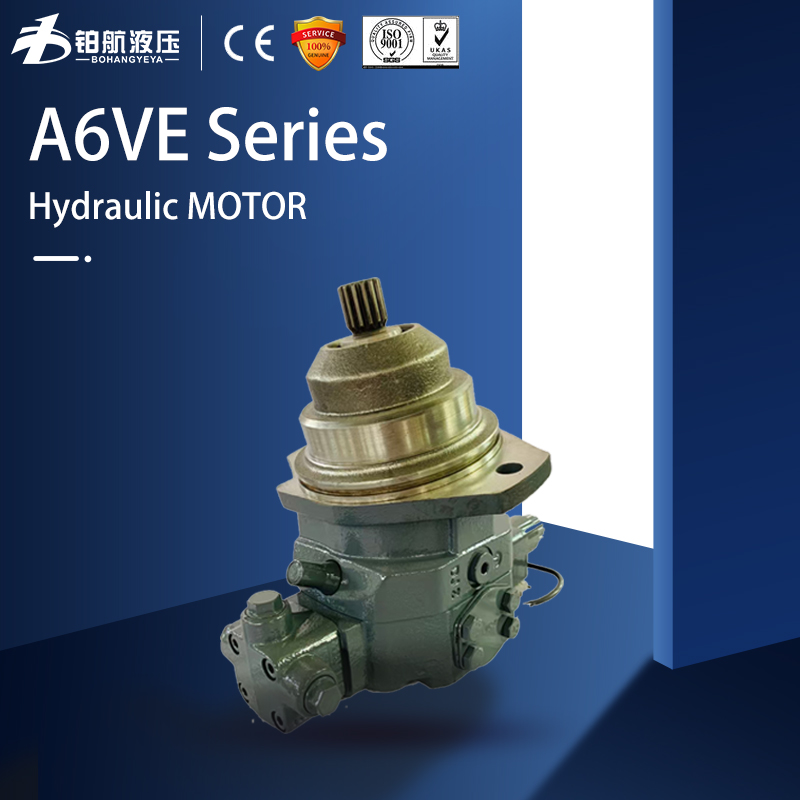
Universal Core Components of a Hydraulic Motor
Although hydraulic motors are available in different designs such as gear, vane, and piston types, their internal structure is built around a set of shared core components. These parts work together to contain pressure, manage oil flow, and convert hydraulic energy into stable rotational output.
Most engineering references describe four main functional groups: the housing, the rotating group, the shaft assembly, and the fluid distribution system. Each plays a specific role in ensuring torque transmission, sealing performance, and overall efficiency.
1. Housing
The housing is the outer structure of the hydraulic motor. It contains all internal components and is designed to withstand high internal pressure while maintaining precise alignment.
Its main functions include:
- Providing structural support for all internal parts
- Withstanding continuous hydraulic pressure
- Preventing external leakage of hydraulic oil
- Maintaining internal geometry for stable operation
In most industrial motors, the housing also integrates inlet and outlet ports that guide hydraulic fluid into and out of the system. The accuracy of machining and material strength of the housing directly affect durability and thermal stability.
2. Rotary Group
The rotary group is the core energy conversion section of the motor. It is the part where hydraulic pressure is transformed into mechanical rotation.
Depending on the motor type, this assembly may include:
- Gear sets in gear motors
- Rotor and vanes in vane motors
- Cylinder block and pistons in piston motors
As pressurized fluid enters the working chambers, it creates force on these components, generating controlled rotation. The design of the rotary group has a direct impact on torque output, efficiency, and speed stability.
3. Drive Shaft
The drive shaft is connected to the rotary group and transfers generated torque to external equipment. It is the final mechanical output point of the hydraulic motor.
Key roles include:
- Converting internal rotation into usable mechanical power
- Connecting the motor to loads such as wheels, gearboxes, or winches
- Withstanding torsional stress and radial loads during operation
To ensure reliability, the shaft is typically manufactured from high-strength alloy steel and supported by precision bearings.
4. Port and Valve Plate System
The port and valve plate system controls the direction and timing of hydraulic fluid entering and leaving the motor.
Its functions include:
- Directing high-pressure oil into working chambers
- Returning low-pressure oil to the tank
- Maintaining proper pressure separation between inlet and outlet
- Ensuring smooth and continuous rotation
The accuracy of this system is critical. Poor flow distribution can lead to pressure loss, noise, reduced efficiency, and uneven wear of internal components.
Type-Specific Components of Hydraulic Motors
Hydraulic motors are generally grouped into gear, vane, and piston types. While all of them convert hydraulic pressure into rotational motion, their internal structures are different. These differences directly affect torque output, efficiency, speed range, and application suitability.
Understanding these type-specific components helps explain why certain motors are chosen for light-duty systems, while others are used in high-pressure or heavy-load environments.
1. Gear Hydraulic Motor Components
Gear motors are the simplest hydraulic motor design, widely used for their durability and cost-effectiveness. They generate rotation through the meshing of gears under hydraulic pressure.
Key Components:
- Drive Gear (Output Gear): Connected to the output shaft, it receives force from pressurized fluid and produces rotation.
- Idler Gear: Works with the drive gear to guide fluid flow and maintain continuous meshing action.
- Housing and End Plates: Enclose the gears and create tight internal clearance to maintain pressure and reduce internal leakage.
2. Vane Hydraulic Motor Components
Vane motors are known for smooth operation and relatively low noise. Their design allows stable torque output at medium speeds.
Key Components:
- Rotor: An eccentrically mounted rotating body connected to the shaft, containing radial slots for vane movement.
- Vanes: Sliding elements that move in and out of the rotor slots. Hydraulic pressure pushes them outward to form sealed chambers.
- Cam Ring (Eccentric Housing): The inner contour that the vanes follow. Its shape creates expanding and contracting chambers that drive rotation.
3. Piston Hydraulic Motor Components
Piston motors are designed for high-pressure and high-efficiency applications. They provide the highest torque density among hydraulic motor types.
Key Components:
- Cylinder Block: Contains multiple piston bores and rotates with the shaft in most designs.
- Pistons: Reciprocating elements that move under hydraulic pressure to generate force.
- Swashplate (Axial Type): Converts linear piston motion into rotary motion through an angled surface.
- Cam Ring (Radial Type): Guides outward piston movement to generate torque in radial designs.
- Valve Plate (Port Plate): Controls precise fluid distribution, ensuring correct timing of inlet and outlet flow.
Common Hydraulic Motor Failures
Hydraulic motor failures are usually the result of system conditions rather than a single damaged part. In most cases, problems develop gradually due to oil condition, temperature, pressure stress, or normal component wear. Early signs often include reduced torque, rising noise levels, unstable speed, or visible leakage.
1. Hydraulic Fluid Contamination
Contaminated oil is one of the most common causes of internal wear. Dirt, metal particles, or water in the system can damage precision surfaces inside the motor.
Typical effects include:
- Scratched gears, pistons, or valve plates
- Increased internal leakage
- Reduced efficiency and output torque
- Faster seal and bearing wear
Even small amounts of contamination can significantly shorten service life.
2. Overheating
High operating temperature reduces oil viscosity and weakens lubrication performance. This leads to higher friction and faster component degradation.
Common results of overheating:
- Seal hardening or cracking
- Accelerated wear of moving parts
- Internal leakage increase
- Loss of overall efficiency
Overheating is often linked to overload, poor cooling, or internal leakage in the system.
3. Cavitation and Air Ingress
When air enters the system or pressure drops too low at the inlet, cavitation or aeration may occur. This creates unstable operation and internal surface damage.
Typical symptoms:
- Loud knocking or whining noise
- Pitting on internal metal surfaces
- Jerky or unstable rotation
- Reduced torque output
These issues are often related to suction problems or low oil levels.
4. Seal Wear and Leakage
Seals are exposed to constant pressure and temperature changes, so gradual wear is normal. Once seals degrade, oil leakage and pressure loss begin.
Common causes:
- Long-term aging
- High pressure spikes
- Dirty or incompatible hydraulic oil
- Improper installation
Seal failure often leads to both external leakage and internal bypass, reducing performance.
5. Mechanical Wear
Continuous heavy-duty operation causes gradual wear on bearings, shafts, and rotating assemblies. Misalignment or improper installation can speed up the process.
Typical signs include:
- Increased vibration
- Noise during operation
- Reduced torque output
- Irregular speed response
Mechanical wear is often slow but becomes severe when combined with contamination or overheating.
Bohang Hydraulic: Reliable Hydraulic Motor & Pump Manufacturer for Industrial Applications
Bohang Hydraulic is a manufacturer specializing in axial piston hydraulic pumps and motors designed for industrial and mobile machinery applications. The company focuses on providing high-efficiency, durable, and interchangeable hydraulic components that meet OEM-level requirements.
Its products are widely used in construction equipment, mining machinery, metallurgy, marine systems, and other heavy-duty industries where stable pressure and long service life are critical. With standardized designs compatible with international systems, Bohang Hydraulic supports both replacement and customized solutions for different working conditions.
OEM Compatibility Design: Products are engineered to match mainstream international standards, making them easy to integrate or replace in existing systems.
Precision Manufacturing: Advanced CNC machining and strict assembly control ensure stable performance, low leakage, and consistent quality.
Wide Industrial Applications: Suitable for construction, mining, agriculture, marine, and industrial automation systems.
Custom Hydraulic Solutions: Supports customization of displacement, mounting structure, shaft type, and pressure ratings based on customer needs.
Reliable Performance Focus: Designed for high-pressure environments with emphasis on durability and continuous operation stability.
Conclusion
A hydraulic motor converts pressurized oil into continuous rotational motion and torque, making it an essential actuator in construction, agriculture, and industrial machinery. It works by using hydraulic pressure to drive internal components such as gears, vanes, or pistons, which then transfer rotation to the output shaft. The housing, rotating group, shaft, and valve system all work together to ensure stable performance and efficiency under load. Most failures are caused by contamination, overheating, cavitation, or seal wear, which gradually reduce torque, increase noise, and shorten service life. Understanding these factors helps improve selection accuracy and system reliability.
FAQ
Q1: What is a hydraulic motor used for?
A: A hydraulic motor is used to convert hydraulic pressure into rotational force. It is commonly applied in excavators, winches, agricultural machines, conveyors, and other equipment that requires high torque output.
Q2: How do I know if my hydraulic motor is failing?
A: Common signs include reduced torque, slow speed, unusual noise, overheating, oil leakage, or unstable operation under load. These symptoms often appear before complete failure.
Q3: What is the most common cause of hydraulic motor failure?
A: Oil contamination is the leading cause. Dirt, metal particles, or water in the hydraulic system can damage internal components and reduce efficiency over time.
Q4: Can a hydraulic motor be repaired or should it be replaced?
A: It depends on the damage level. Seal or bearing issues can often be repaired, but severe wear on internal rotating components usually requires full replacement or overhaul.