
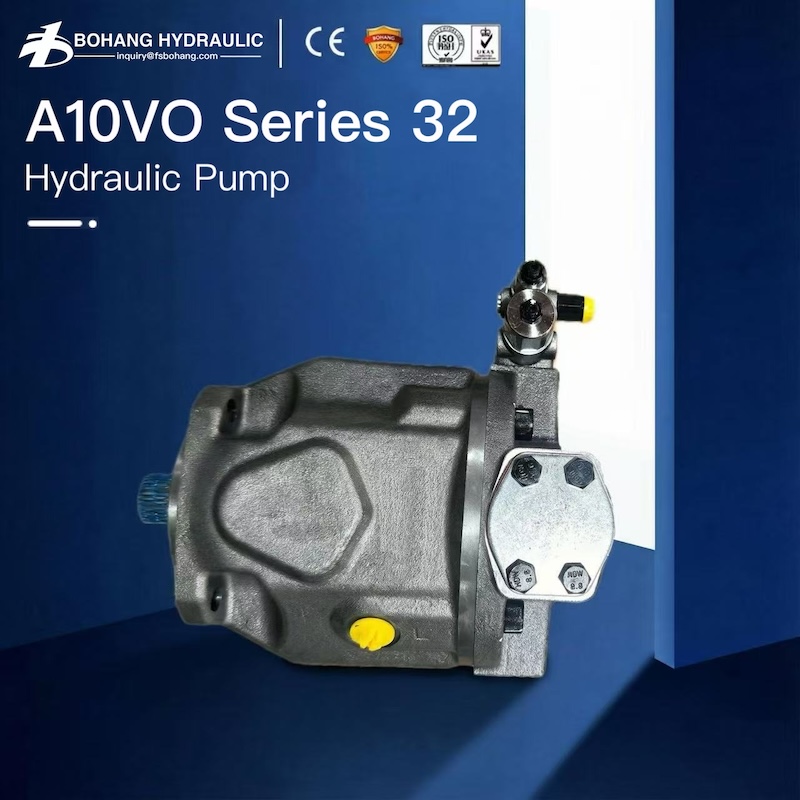
Hydraulic pumps are the heart of hydraulic systems. They convert mechanical power into hydraulic energy and provide the flow required to move cylinders, motors and other hydraulic components. When a hydraulic pump fails, the entire machine may lose power, slow down, overheat or stop completely.
However, most hydraulic pump failures do not happen suddenly. In many cases, the pump has been operating under poor conditions for a long time before the final breakdown occurs. Contaminated oil, cavitation, air ingress, overheating, wrong oil viscosity, overpressure, poor installation and lack of maintenance can all shorten pump life.
For equipment owners, maintenance engineers and hydraulic system operators, understanding the root causes of hydraulic pump failure is essential. Replacing a damaged pump without solving the real cause may lead to repeated failures, higher maintenance costs and longer downtime.
1. Hydraulic Oil Contamination
Oil contamination is one of the most common causes of hydraulic pump failure. Hydraulic pumps rely on clean oil to lubricate internal parts, transfer energy and create a protective film between moving surfaces. When dust, metal particles, sand, rubber debris or sludge enter the oil, they can damage precision pump components.
Contaminants may come from several sources:
- Dirty new oil
- Poor oil storage
- Unclean filling equipment
- Worn seals
- Damaged hoses
- Metal wear particles from other components
- Poorly cleaned pipes or reservoirs
- Open or damaged tank breathers
Inside the pump, particles can scratch gear faces, vane tips, piston shoes, valve plates, bearings and sealing surfaces. Over time, this leads to internal leakage, lower efficiency, reduced flow and eventually pump failure.
Warning Signs of Oil Contamination
- Dark or dirty hydraulic oil
- Frequent filter clogging
- Metal particles found in the filter
- Unstable pressure
- Pump noise
- Reduced flow output
- Accelerated wear of pump components
How to Prevent It
The best way to prevent contamination-related pump failure is to control oil cleanliness from the beginning. New oil should be filtered before entering the system. The reservoir should be sealed properly, and breathers should be maintained or upgraded to desiccant breathers where necessary.
Regular oil analysis is also highly recommended. It can help identify particle contamination, water content, oxidation, additive depletion and abnormal wear before a major failure occurs.
2. Water Contamination in Hydraulic Oil
Water contamination is another serious cause of hydraulic pump damage. Water reduces the lubricating ability of hydraulic oil, promotes corrosion, accelerates oxidation and can damage additives. In precision hydraulic pumps, even a small amount of water can increase the risk of wear, rust and pitting.
Water can enter the hydraulic system through:
- Condensation inside the reservoir
- Damaged tank seals
- Outdoor equipment exposed to rain
- Poor oil storage
- Leaking heat exchangers
- Washing or cleaning processes
- Humid operating environments
When water mixes with hydraulic oil, the oil may become cloudy or milky. This is a clear sign that the system needs attention.
How Water Damages Hydraulic Pumps
Water can cause rust on steel surfaces, reduce oil film strength and damage bearings, valve plates and sliding surfaces. It can also react with oil additives and accelerate sludge formation. In some cases, water contamination can contribute to cavitation and poor lubrication at the pump inlet.
Prevention Tips
- Keep the oil reservoir sealed.
- Use proper tank breathers.
- Store hydraulic oil indoors.
- Avoid leaving oil drums open.
- Drain water from the reservoir regularly.
- Use oil analysis to monitor water content.
- Repair leaking heat exchangers immediately.
- Replace severely contaminated oil.
3. Air Ingress and Aeration
Air contamination occurs when air enters the hydraulic oil and forms bubbles or foam. This problem is often called aeration. While small amounts of dissolved air are normal, excessive air in the oil can damage pump components and reduce system performance.
Air may enter the system through:
- Loose suction pipe connections
- Damaged pump shaft seals
- Low oil level
- Cracked suction hoses
- Poor reservoir design
- Return oil splashing above the oil level
- Incorrect bleeding after maintenance
When air bubbles pass through the pump, they reduce lubrication and compress under pressure. This can cause noise, vibration, unstable movement and heat generation.
Symptoms of Aeration
- Foamy hydraulic oil
- Spongy or jerky actuator movement
- Knocking or rattling noise
- Pump vibration
- Higher oil temperature
- Irregular pressure readings
How to Prevent Aeration
Check all suction-side fittings, hoses and seals. Make sure the oil level is correct and the return line is properly positioned below the oil surface. After maintenance, bleed the system according to the manufacturer’s instructions. If the pump continues to draw air, inspect the shaft seal and suction line carefully.
4. Cavitation
Cavitation is one of the most destructive causes of hydraulic pump failure. It happens when the pump cannot receive enough oil at the inlet. As inlet pressure drops too low, vapor bubbles form inside the fluid. When these bubbles move into a high-pressure area, they collapse violently and create shock waves.
These shock waves can damage metal surfaces inside the pump. Over time, cavitation can cause pitting, erosion, noise, heat, loss of efficiency and complete pump failure.
Common Causes of Hydraulic Pump Cavitation
- Clogged suction strainer
- Suction pipe too small
- Suction line too long
- Too many elbows or restrictions in the inlet line
- Oil viscosity too high
- Cold oil during startup
- Pump speed too high
- Low reservoir oil level
- Pump installed too far above the oil tank
- Blocked tank breather
Symptoms of Cavitation
- High-pitched whining sound
- Loud knocking noise
- Reduced pump flow
- Unstable pressure
- Excessive heat
- Metal particles in the oil
- Pitted or eroded internal pump parts
Prevention Tips
Good inlet design is essential. The suction line should be short, straight and large enough to reduce flow resistance. Avoid unnecessary elbows, restrictions and undersized fittings. Keep the suction filter or strainer clean. Use the correct oil viscosity for the operating temperature and avoid high-load operation during cold startup.
5. Wrong Hydraulic Oil or Incorrect Viscosity
Hydraulic oil viscosity has a major influence on pump life. If the oil is too thick, the pump may struggle to draw oil from the reservoir, especially during cold startup. This increases inlet vacuum and raises the risk of cavitation. If the oil is too thin, it may not provide enough lubrication between moving parts, leading to internal leakage and wear.
Problems Caused by Oil That Is Too Thick
- Difficult cold startup
- Poor pump inlet filling
- Higher risk of cavitation
- Increased energy loss
- Slow system response
Problems Caused by Oil That Is Too Thin
- Reduced lubrication film
- Increased internal leakage
- Lower volumetric efficiency
- Higher wear rate
- Higher operating temperature
The correct oil depends on pump type, system pressure, working temperature, environment and manufacturer requirements. Gear pumps, vane pumps and piston pumps may have different oil requirements. Special applications may require anti-wear hydraulic oil, fire-resistant fluid, biodegradable oil or low-temperature hydraulic oil.
6. Hydraulic Pump Overheating
Heat is both a symptom and a cause of hydraulic pump failure. When oil temperature becomes too high, oil viscosity drops. This reduces lubrication, increases internal leakage and accelerates wear. High temperature also damages seals, speeds up oil oxidation and shortens the life of bearings and other internal parts.
Common Causes of Overheating
- Internal leakage in the pump
- Relief valve constantly opening
- Excessive pressure drop in pipes or valves
- Undersized reservoir
- Dirty or blocked oil cooler
- Incorrect oil viscosity
- High ambient temperature
- Continuous overload operation
- Poor system design
Symptoms of Overheating
- Hot pump housing
- High oil temperature reading
- Burnt smell from oil
- Darkened hydraulic oil
- Hardened or leaking seals
- Reduced system efficiency
- Pressure loss after the system heats up
How to Prevent Overheating
Check whether the system is generating too much heat or failing to remove heat properly. Inspect the cooler, reservoir oil level, relief valve setting, pressure drop and pump efficiency. If the pump has excessive internal leakage, it may convert more energy into heat and require repair or replacement.
7. Poor Inlet Conditions
Poor inlet conditions are closely related to cavitation, but they deserve separate attention. Many hydraulic pump failures begin on the suction side of the pump. The pump inlet is a low-pressure area, so any restriction, leak or design mistake can reduce oil supply.
Poor Inlet Design Examples
- Suction pipe is too small
- Suction pipe is too long
- Too many sharp elbows
- Suction filter is clogged
- Oil level is too low
- Pump is mounted too high above the reservoir
- Suction hose collapses under vacuum
- Tank breather is blocked
- Return oil creates turbulence near the suction port
A hydraulic pump must be fed properly. If the inlet cannot provide enough oil, the pump may run partially dry, generate noise, overheat and suffer cavitation damage.
Prevention Tips
Use a properly sized suction line. Keep the inlet pipe short and direct. Avoid unnecessary restrictions. Make sure all suction-side fittings are airtight. Maintain correct oil level and inspect suction hoses for collapse or internal damage. If needed, measure inlet vacuum to confirm whether the pump is receiving enough oil.
8. Overpressure and Pressure Spikes
Hydraulic pumps are designed for specific pressure limits. When a pump operates above its rated pressure, or when it is exposed to repeated pressure spikes, internal components can become overloaded.
Overpressure may damage:
- Shaft seals
- Bearings
- Gear faces
- Vane tips
- Piston shoes
- Valve plates
- Pump housing
- Drive shaft
- Couplings
Common Causes of Overpressure
- Relief valve set too high
- Relief valve stuck or blocked
- Sudden actuator stop
- Incorrect valve operation
- Blocked hydraulic line
- Shock load
- Wrong pump selection
- System pressure higher than pump rating
Pressure spikes can be especially harmful because they may occur too quickly to notice on a standard pressure gauge. In systems with fast valve switching or heavy loads, pressure transducers and data logging may be needed to detect peak pressure.
Prevention Tips
Set the relief valve according to system and pump specifications. Use pressure gauges or sensors to monitor operating conditions. Consider accumulators, shock valves or soft-start controls where pressure surges are common. Never operate a hydraulic pump continuously above its rated pressure.
Hydraulic Pump Failure in Different Applications
Hydraulic pump failure can occur in many types of equipment, but the main risk factors may vary by application.
| Application | Common Pump Failure Risks |
|---|---|
| Excavators and construction machinery | Contamination, overheating, shock load, cavitation |
| Agricultural machinery | Dust contamination, poor oil storage, irregular maintenance |
| Industrial hydraulic power units | Overheating, pressure spikes, continuous operation |
| Mobile hydraulic systems | Air ingress, suction restrictions, vibration |
| Marine hydraulic systems | Water contamination, corrosion, oil degradation |
| Mining equipment | Heavy load, contamination, high temperature, pressure shock |
| Injection molding machines | High duty cycle, overheating, oil degradation |
| Press machines | Pressure spikes, overpressure, seal damage |
Conclusion
Hydraulic pump failure is usually caused by long-term poor operating conditions rather than sudden damage. Common causes include contaminated oil, water in the oil, air ingress, cavitation, incorrect oil viscosity, overheating, poor inlet conditions, overpressure, and pressure spikes.
To prevent repeat failures, it is important to identify the root cause before replacing the pump. Key preventive measures include keeping hydraulic oil clean and dry, using the correct oil viscosity, maintaining proper suction conditions, controlling oil temperature, setting system pressure correctly, and performing regular oil analysis and maintenance.
FAQ
Q1. Why does my hydraulic pump keep failing?
A: A hydraulic pump that fails repeatedly is often a sign of a system problem, not just a pump problem. Common causes include dirty oil, poor suction conditions, cavitation, overheating, incorrect hydraulic oil, excessive pressure, or improper installation. Before replacing the pump again, check the oil cleanliness, filters, suction line, reservoir oil level, tank breather, relief valve setting, cooling system, and operating pressure.
Q2. How does contaminated hydraulic oil damage a pump?
A: Contaminated oil contains particles such as dust, metal debris, sand, rubber fragments, or sludge. These particles can scratch gears, vanes, piston shoes, valve plates, bearings, and sealing surfaces.
As wear increases, internal leakage becomes worse. The pump may lose efficiency, produce less flow, generate more heat, and eventually fail.
Q3. What is hydraulic pump cavitation?
A: Cavitation occurs when the pump cannot get enough oil at the inlet. When inlet pressure drops too low, vapor bubbles form in the oil. These bubbles collapse when they move into a high-pressure area, creating shock waves that damage internal pump surfaces.
Cavitation can cause a whining or knocking noise, pitting, erosion, reduced flow, overheating, and severe pump damage.