
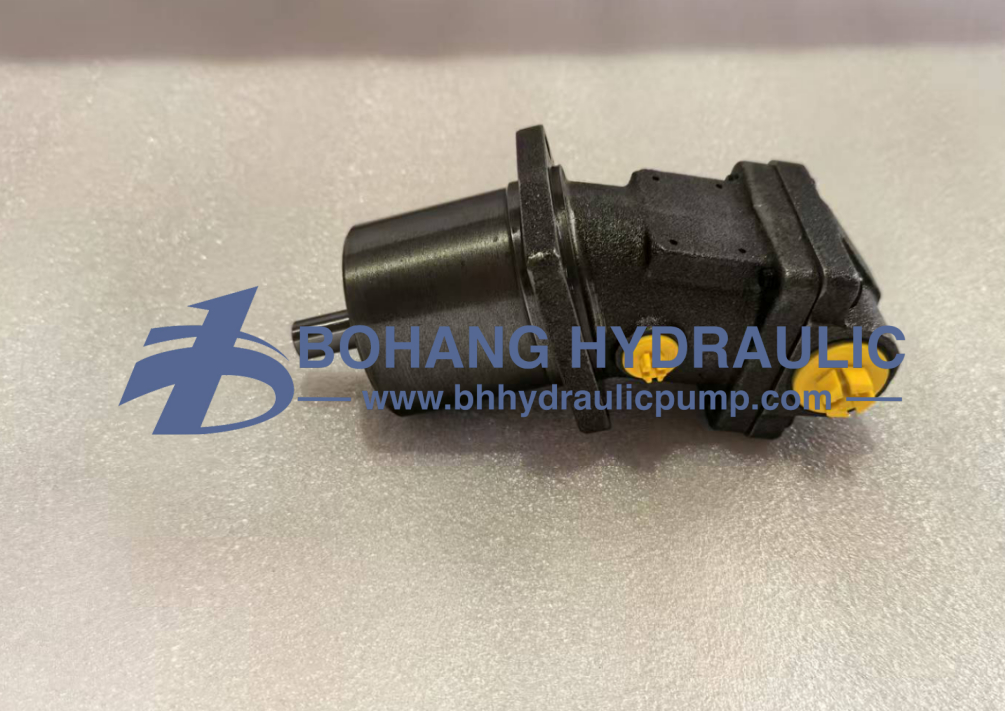
A hydraulic pump that starts whining, rattling, vibrating, or losing flow may be suffering from cavitation. Noise is often the first warning, but it does not identify the fault by itself. Similar symptoms can come from aeration, worn bearings, shaft misalignment, pressure pulsation, or a damaged coupling.
Pump cavitation begins when oil arriving at a pump inlet cannot maintain enough pressure. Vapor bubbles form in low pressure areas and move into zones with higher pressure, where they collapse. Repeated bubble collapse can pit metal surfaces, increase heat and contamination, reduce pump output, and shorten service life.
Finding the source early matters. In many cases, a pump is not the original cause. A restricted suction line, unsuitable oil viscosity, low reservoir level, excessive pump speed, or poor inlet layout may starve an otherwise serviceable hydraulic pump.
What Is Hydraulic Pump Cavitation?
Every liquid has a vapor pressure that changes with temperature. If local absolute pressure falls to that level, part of a liquid can change into vapor and form bubbles.
As oil moves through a hydraulic pump, pressure rises again. Bubbles then collapse and create concentrated impacts near internal surfaces.
Cavitation should be treated as an inlet and system condition, not only as a damaged component. Replacing a pump without correcting its oil supply may expose a replacement unit to the same problem.
Cavitation and Aeration Are Different Problems
Cavitation and aeration can both produce noise, vibration, heat, unstable actuator movement, and reduced efficiency. Their bubble sources differ, so corrective actions also differ.
| Condition | Bubble source | Common causes | Useful clues |
|---|---|---|---|
| Cavitation | Hydraulic oil forms vapor because local pressure is too low | Restricted suction line, thick cold oil, excessive speed, blocked strainer, poor tank layout | Noise often changes with pump speed, oil temperature, or inlet restriction |
| Aeration | Outside air enters or mixes with hydraulic oil | Loose fittings, cracked hose, low oil level, leaking shaft seal, return flow above oil level | Foamy oil, slow air release, spongy or erratic movement |
Foamy oil often points toward aeration, but both conditions may occur together. Diagnosis should combine visual checks with pressure or vacuum measurements.
Signs and Damage Caused by Pump Cavitation
Noise and vibration
A cavitating hydraulic pump may produce a sharp whine, crackling sound, or irregular rattle. Some operators compare it with gravel moving through a housing.
Sound can become stronger during cold startup, at higher pump speed, or when several machine functions demand flow at once.
Performance changes
Other signs include increased vibration, unstable pressure, reduced flow, slower actuators, rising oil temperature, and a gradual loss of volumetric efficiency.
Component damage
Bubble collapse can erode pump surfaces and release metallic debris into circulating oil. Those particles may travel to valves, cylinders, motors, bearings, and seals.
Damage can then spread beyond its original location. Heat and reduced lubrication may further accelerate wear.
Severe cavitation can interrupt chamber filling, lower flow, cause control instability, and damage internal pumping elements.
Common Causes of Hydraulic Pump Cavitation
Restricted suction lines
Most hydraulic pump cases begin with inadequate oil supply at an inlet. A suction hose may be too small, too long, kinked, internally collapsed, or unsuitable for vacuum service.
Tight bends, restrictive elbows, small adapters, partially closed valves, and unsuitable quick couplers add pressure loss before oil reaches a pump.
Dirty strainers and blocked breathers
A dirty or incorrectly sized suction strainer creates another restriction. Sludge, damaged media, or contamination can limit flow under operating conditions.
A blocked reservoir breather may also affect oil supply.
Incorrect oil viscosity
Oil viscosity changes with temperature. Cold oil may be too thick to move through a suction circuit at required flow.
A machine can therefore run normally after warming up yet make cavitation noise during startup. Oil selection should follow pump manufacturer limits for fluid type, viscosity, and operating temperature rather than a general grade used across every machine.
Reservoir layout and oil level
Low reservoir level can expose a suction outlet or create a vortex.
Poor baffle design, return oil discharged near an inlet, inadequate outlet submergence, or a pump mounted too high can also disturb oil supply.
Excessive pump speed
Pump speed also affects filling. Higher speed increases required inlet flow and leaves less time for each chamber to fill.
A change to an electric motor, PTO ratio, pulley, gearbox, or control setting may push actual pump speed beyond what an existing suction circuit can support.
How to Diagnose Hydraulic Pump Cavitation
1. Stop operation when damage is suspected
Stop operation if noise becomes severe, output falls sharply, or metal appears in a filter.
Secure machinery, release stored pressure, and follow equipment service procedures before touching hoses or fittings.
2. Record operating conditions
Start with operating conditions. Record whether symptoms appear during cold startup, high speed, loaded functions, or simultaneous movements.
Noise that tracks temperature or speed provides a useful direction.
3. Check oil and reservoir conditions
Check oil level, fluid appearance, oil grade, operating temperature, and breather condition.
Look for foam, water, sludge, or a recent oil change. Confirm that return and case drain flow does not disturb pump pickup.
4. Inspect the suction path
Inspect a complete suction path. Confirm hose size, vacuum rating, routing, fitting bore, valve position, strainer condition, and tank outlet size. A hose can look normal while collapsing internally under vacuum.
5. Measure inlet pressure or vacuum
Measure inlet pressure or vacuum close to a pump under conditions that reproduce symptoms.
Compare readings with limits for that exact pump model and speed. Specifications differ among piston, vane, and gear pumps, so a value accepted for one series may not suit another.
6. Verify actual pump speed
Verify actual shaft speed, including PTO, pulley, or gearbox ratios.
If noise falls at reduced speed, an inlet circuit may not be supplying required flow.
7. Inspect filters and oil samples
Inspect filters and oil samples for metal, rubber fragments, or damaged media.
Significant metal may indicate internal erosion and calls for a contamination assessment.
NPSH, Suction Lift, and Inlet Pressure
Net positive suction head describes pressure energy available above a liquid's vapor pressure at a pump inlet. It is commonly expressed in meters or feet of liquid head.
NPSHa
NPSHa means net positive suction head available. It is determined by a system and is affected by absolute pressure above a liquid, static liquid level, vapor pressure, temperature, and suction line losses. More available head generally reduces cavitation risk.
NPSHr and NPSHc
NPSHr means net positive suction head required. It is supplied by a pump manufacturer for a stated flow, speed, and pumped liquid.
NPSHc refers to a critical value associated with a defined performance reduction during testing. An allowable NPSH may include an added margin selected for a particular application.
NPSH margin
For rotodynamic pumps, NPSHa should exceed manufacturer supplied NPSHr with a margin suited to pump type, service, liquid, and site conditions.
Suction lift
Suction lift is a physical height between liquid level and pump reference point when a pump sits above its source. It is not another name for NPSHr.
Calculations should consider altitude, barometric pressure, vapor pressure at actual temperature, friction losses, fluid density, and manufacturer limits.
A formula using only standard atmospheric head, NPSHr, and a fixed allowance may be misleading.
Positive displacement hydraulic pumps
Many positive displacement hydraulic pump manuals specify allowable inlet pressure or maximum inlet vacuum instead of relying on an NPSH curve.
Use data for a specific pump series. Do not transfer a centrifugal pump suction lift formula directly to a piston, vane, or gear pump.
How to Prevent Hydraulic Pump Cavitation
Improve inlet plumbing
Prevention begins with a low restriction oil path. Use a suction line sized for required flow, keep routing short, limit sharp bends, and select fittings with an adequate internal bore. Hoses should be rated for suction service and supported so they cannot kink or collapse.
Maintain tank components
Maintain a suitable oil level and keep breathers, strainers, and tank outlets clean. Strainer type, capacity, and maintenance interval should follow machine recommendations. Extra filtration can be harmful if it creates excessive inlet restriction.
Control viscosity during cold startup
Choose hydraulic oil for expected temperature and viscosity range. During cold startup, allow oil to warm and keep speed and load within manufacturer procedures. A heater, larger suction line, different approved viscosity grade, or revised startup sequence may be appropriate in cold service.
Verify operating conditions
During commissioning, confirm pump speed, rotation, reservoir placement, inlet pressure, and charge pressure where applicable. Closed circuits need enough charge flow to replace leakage and support a low pressure side.
Repair the Pump or Correct the System?
Correct external causes first
If inspection finds a closed valve, blocked strainer, unsuitable hose, low oil level, or incorrect viscosity before internal damage develops, correcting that condition may restore stable operation.
Continue monitoring inlet pressure, noise, temperature, and filter debris after work is completed.
Check for internal pump damage
Pitting, scoring, falling efficiency, increasing case drain flow, persistent noise, or metal contamination may indicate internal damage.
A pump may then need professional inspection, repair, or replacement. Flush contaminated circuits and remove the original inlet problem before installing another unit.
Prepare information for pump matching
For hydraulic pump matching or replacement support, send Bohang a pump model code, displacement, rotation, shaft speed, pressure, oil grade, temperature, reservoir position, suction line size, and symptoms.
Nameplate, hose routing, damaged part, and filter photos can support evaluation.
FAQ
Q1. What Does Hydraulic Pump Cavitation Sound Like?
A: It may sound like whining, crackling, rattling, or gravel moving inside a housing.
Noise alone cannot confirm cavitation, so check inlet conditions and oil for air.
Q2. Can Thick Oil Cause Cavitation?
A: Yes. Oil that is too viscous at startup may move too slowly through a suction line, raising inlet vacuum and limiting chamber filling.
Q3. Can a Clogged Suction Strainer Cause Cavitation?
A: Yes. A restricted strainer increases pressure loss before a pump.
Check contamination and element capacity as well as cleaning or replacement needs.
Q4. Is Cavitation the Same as Aeration?
A: No. Cavitation involves vapor formation caused by low local pressure. Aeration involves external air entering or remaining mixed with oil.
Both can occur at once.
Conclusion
Pump cavitation occurs when inlet pressure falls low enough for vapor bubbles to form and collapse inside a hydraulic pump. Common causes include restricted suction lines, clogged strainers, low oil level, unsuitable viscosity, poor reservoir layout, and excessive speed. Early signs include whining, vibration, heat, unstable flow, and metal pitting. Protect equipment by checking inlet pressure, oil condition, pipework, filters, speed, and manufacturer limits before repairing or replacing a pump.