
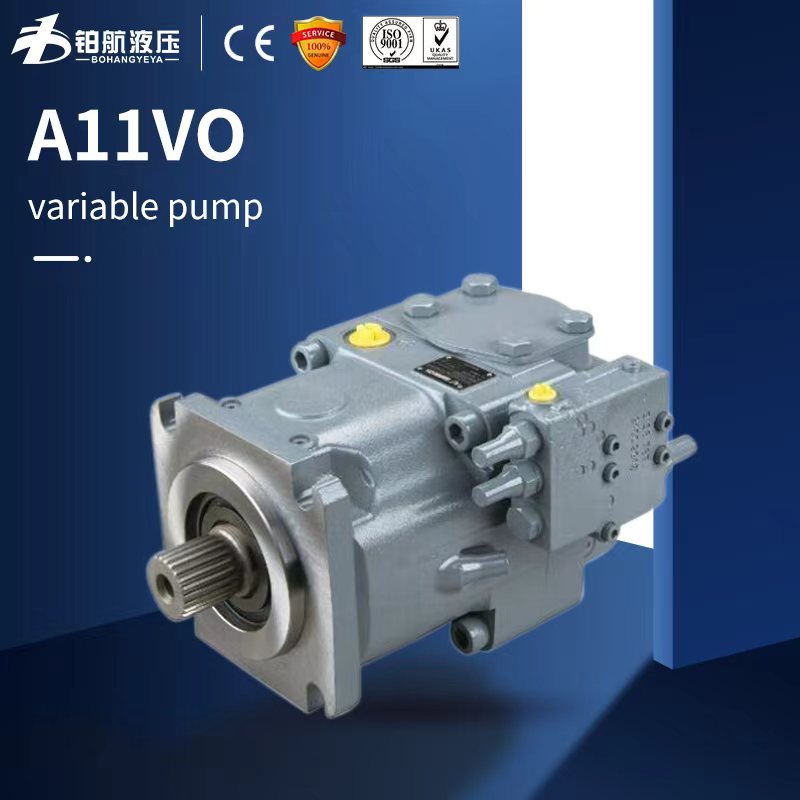
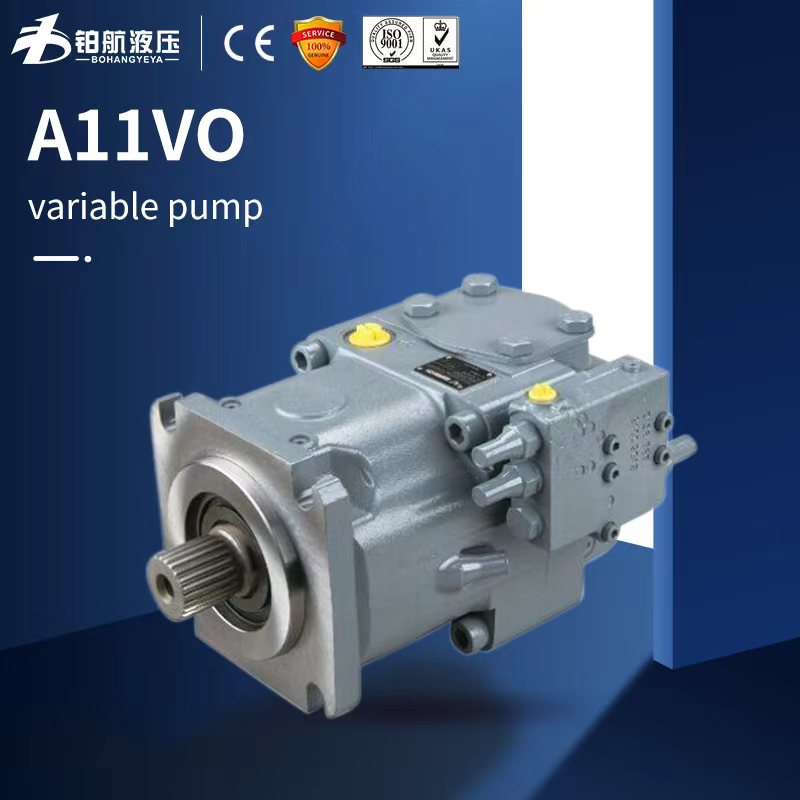
Hydraulic pump cavitation is one of the most damaging conditions in a hydraulic system. It happens when the pump inlet cannot receive enough oil under the right pressure conditions, causing vapor bubbles to form inside the fluid. When these bubbles collapse inside the pump, they can create noise, vibration, heat, metal surface erosion, and premature pump failure.
Although cavitation is often first noticed as a whining or rattling pump noise, the real cause is usually deeper in the system. Common sources include restricted suction lines, undersized inlet hoses, clogged strainers, excessive pump speed, incorrect hydraulic oil viscosity, poor reservoir design, or a pump that is not properly matched to the application.
This is why cavitation should not be treated as a simple pump problem. It is a system-level issue that requires proper diagnosis, correct inlet circuit design, and careful hydraulic pump selection.
What Is Hydraulic Pump Cavitation?
Hydraulic pump cavitation occurs when the pressure at the pump inlet drops too low for the hydraulic oil to remain stable. When inlet pressure falls below the fluid's vapor pressure, vapor bubbles can form in the oil.
As these bubbles travel through the pump into higher-pressure areas, they collapse rapidly. This collapse creates small shock waves that can damage internal pump surfaces over time.
Cavitation can lead to:
- Pitting and surface erosion
- Abnormal pump noise
- Vibration
- Heat generation
- Reduced pump efficiency
- Increased internal leakage
- Premature pump failure
In most cases, cavitation means the pump is not receiving enough oil under the right inlet conditions. This may be caused by undersized suction lines, restrictive fittings, clogged strainers, high oil viscosity, excessive pump speed, poor reservoir design, or incorrect pump selection.
Cavitation vs. Aeration: What Is the Difference?
Cavitation and aeration are often discussed together because they can create similar symptoms: pump noise, vibration, heat, unstable actuator movement, and poor system response. However, they are not the same condition, and they should not be diagnosed or corrected in the same way.
Cavitation: Vapor Bubbles Caused by Low Inlet Pressure
Cavitation occurs when pressure at the pump inlet drops too low. Under this condition, part of the hydraulic fluid can vaporize and form vapor bubbles inside the oil.
These bubbles are then carried into higher-pressure areas of the pump, where they collapse rapidly. That collapse can create impact damage on internal pump surfaces.
Cavitation is usually linked to poor inlet conditions, such as:
- Undersized suction lines
- Excessive suction line length
- Restrictive fittings
- Clogged suction strainers
- High oil viscosity
- Excessive pump speed
- Poor reservoir-to-pump layout
Aeration: Air Bubbles Entering the Hydraulic Oil
Aeration happens when air enters the hydraulic fluid from outside the system or becomes mixed into the oil inside the reservoir.
Unlike cavitation, aeration is not primarily caused by the oil vaporizing. Instead, actual air is being introduced into the fluid.
Common sources of aeration include:
- Loose suction-side fittings
- Cracked or damaged suction hoses
- Low reservoir oil level
- Return oil splashing above the fluid level
- Poor reservoir baffle design
- Leaking shaft seals
- Vortexing at the tank outlet
Quick Comparison
| Item | Cavitation | Aeration |
|---|---|---|
| Bubble source | Vapor forms inside the oil | Air enters or mixes with the oil |
| Main trigger | Low inlet pressure | Air leakage or poor tank design |
| Common location | Pump inlet and internal pumping chambers | Suction line, reservoir, return area |
| Typical signs | Whining, rattling, pitting, heat | Foamy oil, spongy movement, erratic operation |
| Main correction | Improve inlet flow and reduce restrictions | Find and eliminate air entry points |
Why This Difference Matters
Misdiagnosing cavitation as aeration, or aeration as cavitation, can lead to unnecessary pump replacement and repeated failures.
If the issue is cavitation, the solution usually involves improving the suction side of the system: larger inlet lines, fewer restrictions, proper oil viscosity, lower pump speed, or a better reservoir layout.
If the issue is aeration, the priority is finding how air is getting into the oil. That may require checking suction fittings, hose condition, oil level, return line placement, seals, and tank design.
Why Hydraulic Pump Cavitation Is So Destructive
Cavitation damage does not usually happen all at once. It builds over time. When vapor bubbles collapse inside the pump, they create localized impact forces. These impacts can be strong enough to remove tiny pieces of metal from internal pump surfaces.
This damage may appear as:
- Pitting
- Surface erosion
- Scoring
- Excessive wear
- Internal leakage
- Loss of volumetric efficiency
- Metallic contamination in the oil
Once cavitation erosion begins, it cannot be reversed. A damaged gear, vane, piston, housing, or port plate will not heal itself. The system may continue to run for a while, but pump performance will usually decline.
Even worse, the damage may not stay inside the pump. Metal particles can travel through the hydraulic system and damage valves, cylinders, motors, seals, and other components.
How to Diagnose Hydraulic Pump Cavitation
Diagnosing hydraulic pump cavitation requires more than listening for pump noise. A noisy pump may point to cavitation, but it can also be caused by aeration, misalignment, worn bearings, loose mounting hardware, pressure pulsation, or relief valve problems. The goal is to confirm whether the pump is losing proper inlet supply. In most cases, that means checking the suction side of the system before replacing the pump.
1. Confirm the Noise Source
Pump cavitation usually produces a sharp whining, rattling, crackling, or gravel-like sound. However, sound can travel through hydraulic lines and machine frames, making it easy to misidentify the source.
Check whether the noise is coming from:
- The pump body
- The pump inlet line
- The drive coupling
- The PTO or gearbox
- The electric motor
- The relief valve
- Loose piping or brackets
- Return-line turbulence in the reservoir
A mechanic’s stethoscope, vibration probe, or even careful hand contact on safe external surfaces can help isolate the source. If the loudest noise is near the inlet side of the pump, cavitation or suction restriction should be investigated first.
2. Check Reservoir Oil Level and Oil Condition
Low oil level can reduce inlet supply or allow air to enter the system. Poor oil condition can also make diagnosis harder.
Inspect the reservoir for:
- Low oil level
- Foamy oil
- Milky or cloudy oil
- Dark, overheated oil
- Strong burnt smell
- Visible contamination
- Return flow splashing near the suction port
Foamy or milky oil often points toward aeration, but aeration and cavitation can occur at the same time. If the oil level is low or the return line is disturbing the suction area, correct that before moving deeper into the system.
Also verify that the oil grade matches the pump and operating temperature range. Oil that is too thick, especially during startup, is a common cause of inlet starvation.
3. Inspect the Suction Line From Tank to Pump
The suction line is the most important area to inspect when cavitation is suspected.
Look for anything that could restrict oil flow into the pump:
- Undersized suction hose
- Excessive hose length
- Sharp bends or tight routing
- Kinked hose
- Internally collapsed hose
- Restrictive elbows or adapters
- Quick couplers not suitable for suction service
- Partially closed shutoff valve
- Clogged suction strainer
- Blocked tank outlet
- Loose clamps or fittings
- Hose not rated for vacuum service
Do not judge the suction line only by its outside appearance. A hose can look acceptable externally but collapse internally under vacuum. If the hose feels soft, flattened, swollen, kinked, or aged, replace it with a properly rated suction hose.
4. Verify Valve Position and Inlet Restrictions
A simple valve position issue can cause serious cavitation. If the system has a shutoff valve between the reservoir and the pump, confirm that it is fully open. A valve left half open after maintenance can create enough restriction to starve the pump.
Also check for hidden restrictions, including:
- Undersized suction strainer
- Contaminated strainer screen
- Plugged reservoir outlet
- Small-bore adapters
- Damaged quick couplers
- Thread sealant or debris inside fittings
- Incorrect replacement hose or fitting size
A good rule of thumb: every component between the tank and the pump inlet should be large enough, clean enough, and open enough to deliver the required flow with minimal pressure loss.
5. Measure Inlet Vacuum or Inlet Pressure
This is one of the most useful diagnostic steps. Install a vacuum gauge or compound gauge as close to the pump inlet as possible. Then operate the machine under the same conditions where the symptoms appear.
Record the reading during:
- Idle operation
- Normal working speed
- Maximum operating speed
- Cold startup, if safe to test
- Loaded operation
- Function actuation at peak flow demand
Compare the readings with the pump manufacturer’s allowable inlet pressure or maximum vacuum specification.
If inlet vacuum is too high, the pump is working too hard to draw oil. That usually points to one or more of the following:
- Suction line is too small
- Suction line is too long
- Oil is too viscous
- Strainer is clogged
- Valve is partially closed
- Pump speed is too high
- Reservoir outlet is restricted
- Pump is mounted too high above the oil level
Do not rely only on outlet pressure. A pump can show acceptable outlet pressure while still suffering from poor inlet conditions.
6. Check Pump Speed
A pump that runs too fast can cavitate even if the inlet line appears properly designed.
Confirm the actual pump speed, not just the engine or motor speed. Check:
- Electric motor rpm
- Engine rpm
- PTO ratio
- Belt or pulley ratio
- Gearbox ratio
- Maximum operating speed
- Speed during cold startup
Compare the actual pump rpm with the pump’s rated speed range.
If the pump noise increases sharply with speed, the inlet circuit may not be able to supply enough oil at higher flow demand. Reducing speed temporarily during testing can help confirm whether speed is part of the problem.
7. Review Hydraulic Oil Viscosity and Temperature
Oil viscosity has a major effect on inlet flow. Check both the oil grade and operating temperature. A pump may run normally when the oil is warm but cavitate during cold startup because the oil is too thick to flow easily through the suction line.
Questions to ask:
- What hydraulic oil grade is being used?
- Is it approved for this pump?
- What is the lowest startup temperature?
- What is the normal operating oil temperature?
- Does the noise improve after warm-up?
- Has the oil recently been changed or mixed?
- Is the oil contaminated or oxidized?
If symptoms improve as the oil warms, the system may need a different oil viscosity, larger suction plumbing, a warm-up procedure, tank heating, or lower startup speed.
8. Inspect the Filter Element and Oil Sample
The filter can reveal whether cavitation has already caused internal pump damage.
Check the filter element for:
- Shiny metal flakes
- Fine metallic powder
- Rubber particles from hose damage
- Dark sludge
- Excessive contamination
- Collapsed filter media
If metal particles are present, do not treat the issue as a simple filter replacement. The pump may have internal erosion or scoring, and the hydraulic system may already be contaminated.
In severe cases, an oil analysis can help identify wear metals and determine whether damage is coming from the pump, motor, bearings, or other components.
9. Compare Cavitation With Aeration
Because cavitation and aeration can sound similar, it helps to separate the two during diagnosis.
| Diagnostic Clue | More Likely Cavitation | More Likely Aeration |
|---|---|---|
| Oil appearance | May look normal at first | Often foamy or milky |
| Main cause | Low inlet pressure or restriction | Air entering or mixing with oil |
| Noise pattern | Worse at high speed or cold startup | May be constant or tied to air leaks |
| Common inspection area | Suction line restrictions, strainer, viscosity | Loose fittings, cracked hose, low oil level, return turbulence |
| Damage pattern | Pitting and erosion inside pump | Spongy motion, heat, oxidation, poor control |
If the oil is foamy and the pump is noisy, inspect for air entry points as well as inlet restrictions. It is possible for a system to have both problems.
10. Inspect the Pump Only After Checking the System
If inlet plumbing, oil condition, speed, and restrictions have been checked and symptoms remain, the pump may need internal inspection.
Look for:
- Pitting on gear teeth, vanes, pistons, or port plates
- Scoring on wear surfaces
- Damaged housing surfaces
- Excessive internal clearance
- Heat discoloration
- Abnormal bearing wear
- Evidence of metal transfer or erosion
Internal damage confirms that the pump has been operating under harmful conditions, but it does not always identify the root cause. Before installing a replacement pump, correct the system condition that caused the failure.
Conclusion
Hydraulic pump cavitation is a serious system-level problem caused by poor pump inlet conditions. When the pump cannot receive enough oil, inlet pressure drops and vapor bubbles form inside the hydraulic fluid. As these bubbles collapse inside the pump, they can cause noise, vibration, heat, pitting, metal contamination, efficiency loss, and premature pump failure.
In most cases, cavitation is not simply a pump defect. Common causes include restricted suction lines, clogged strainers, incorrect oil viscosity, excessive pump speed, poor reservoir design, or improper pump selection. To prevent repeated failure, technicians should diagnose the entire suction side of the hydraulic system before replacing the pump.
FAQ
Q1. What causes hydraulic pump cavitation?
A: Hydraulic pump cavitation is usually caused by poor oil supply at the pump inlet. Common causes include undersized suction hoses, clogged strainers, restrictive fittings, high oil viscosity, excessive pump speed, low oil level, or poor reservoir layout.
Q2. What does hydraulic pump cavitation sound like?
A: It often sounds like whining, rattling, crackling, or gravel inside the pump. The noise may become worse at high speed, during cold startup, or when the system demands more flow.
Q3. What is the difference between cavitation and aeration?
A: Cavitation happens when low inlet pressure causes vapor bubbles to form in the oil. Aeration happens when outside air enters or mixes with the oil. Cavitation usually points to inlet restriction, while aeration usually points to air leaks, low oil level, or poor tank design.
Q4. Can a clogged suction strainer cause cavitation?
A: Yes. A clogged suction strainer restricts oil flow to the pump, increases inlet vacuum, and can cause cavitation. If the strainer is clogged, also check the oil and system for contamination.
Q5. Can the wrong hydraulic oil cause cavitation?
A: Yes. Oil that is too thick can flow too slowly into the pump, especially during cold startup. This can lower inlet pressure and cause cavitation.