
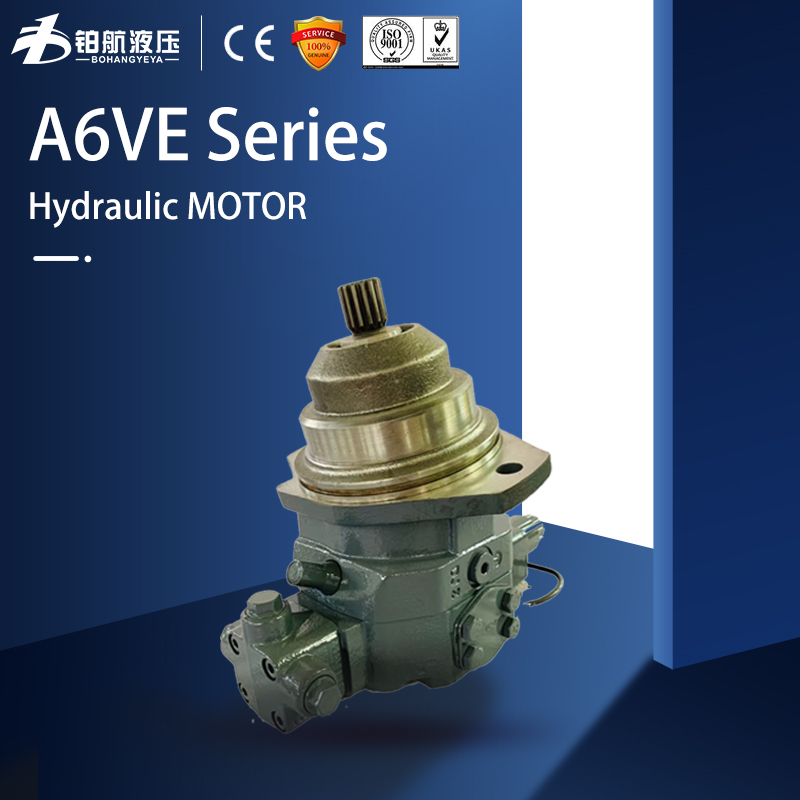
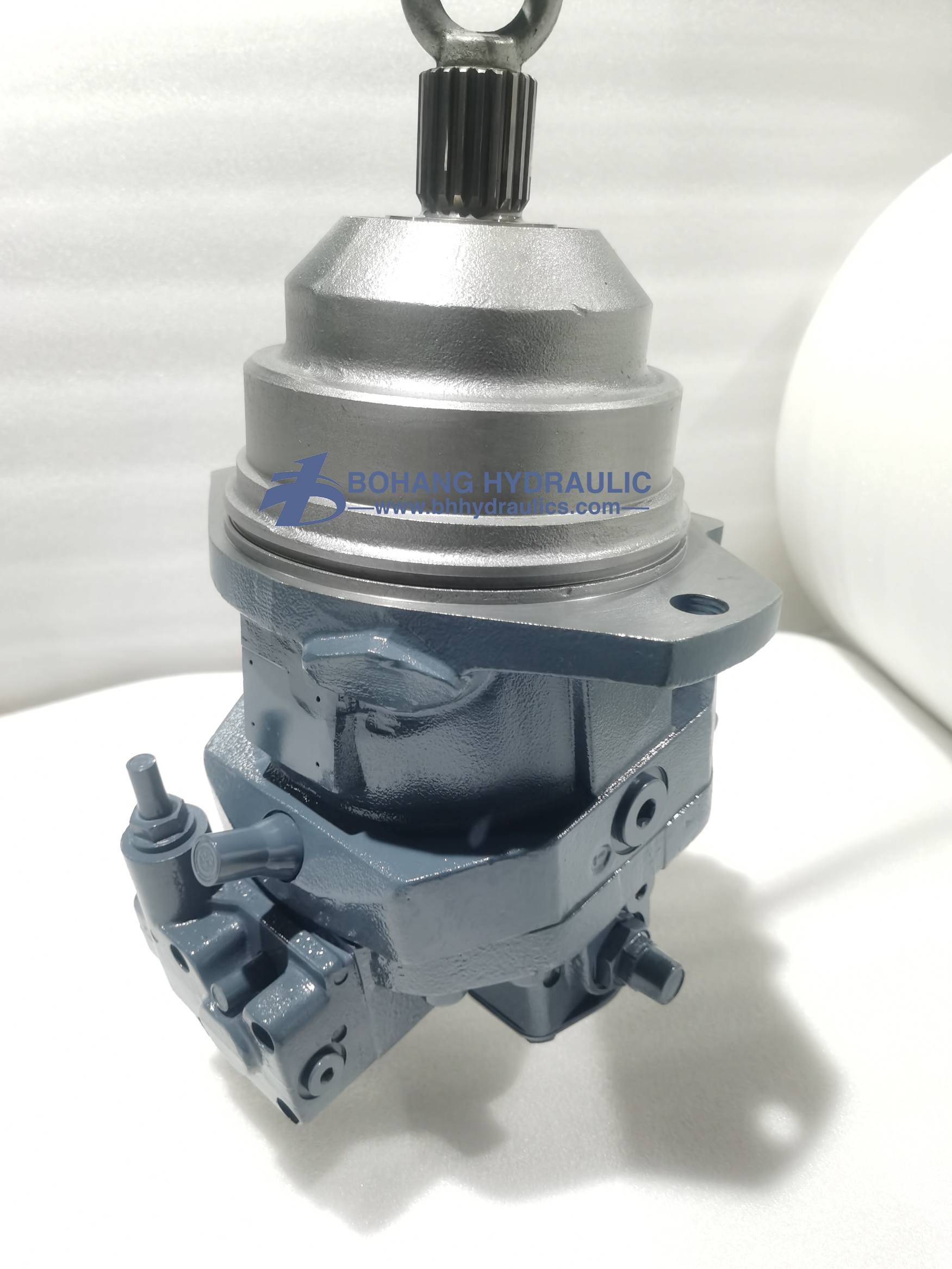
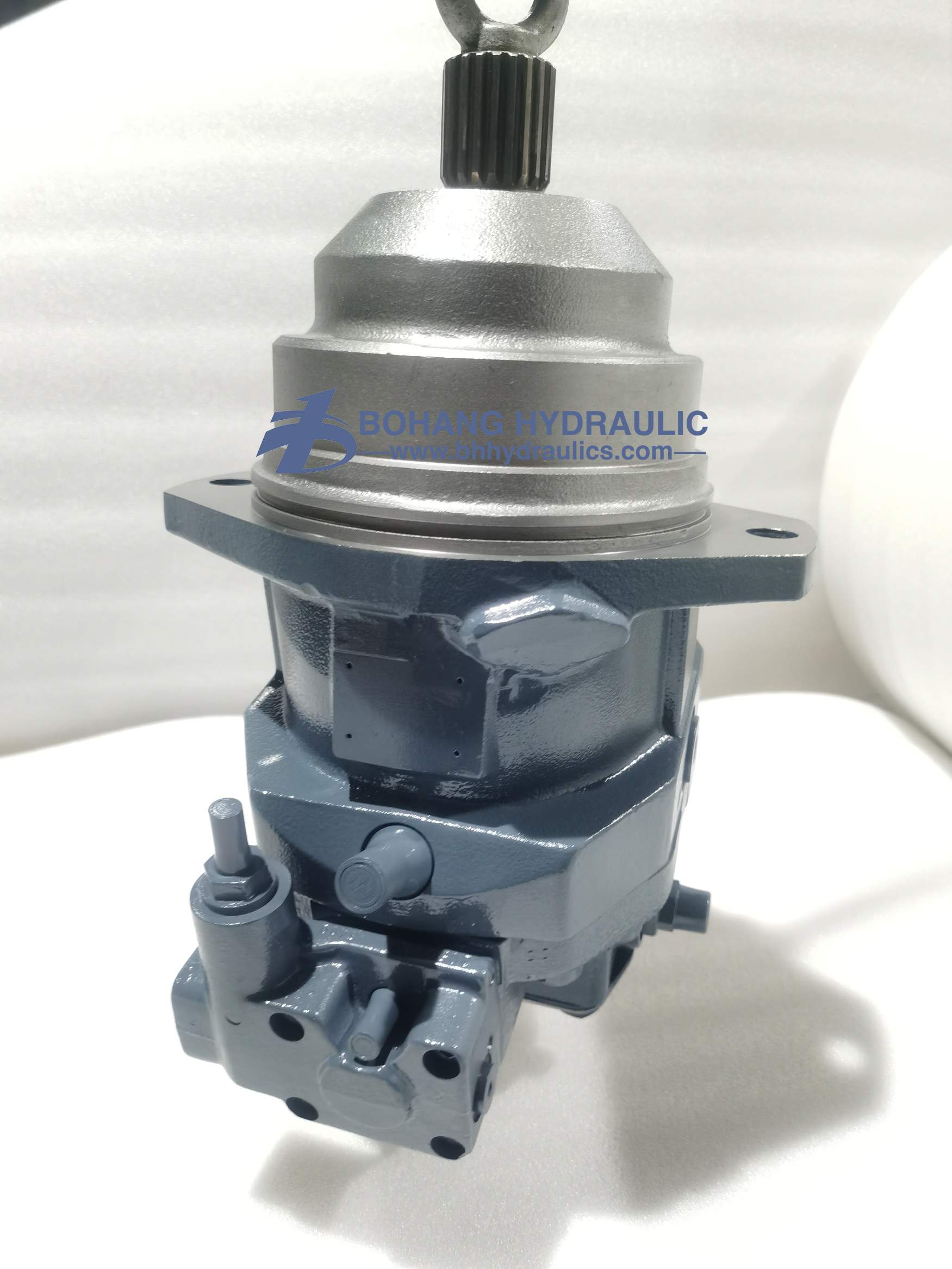
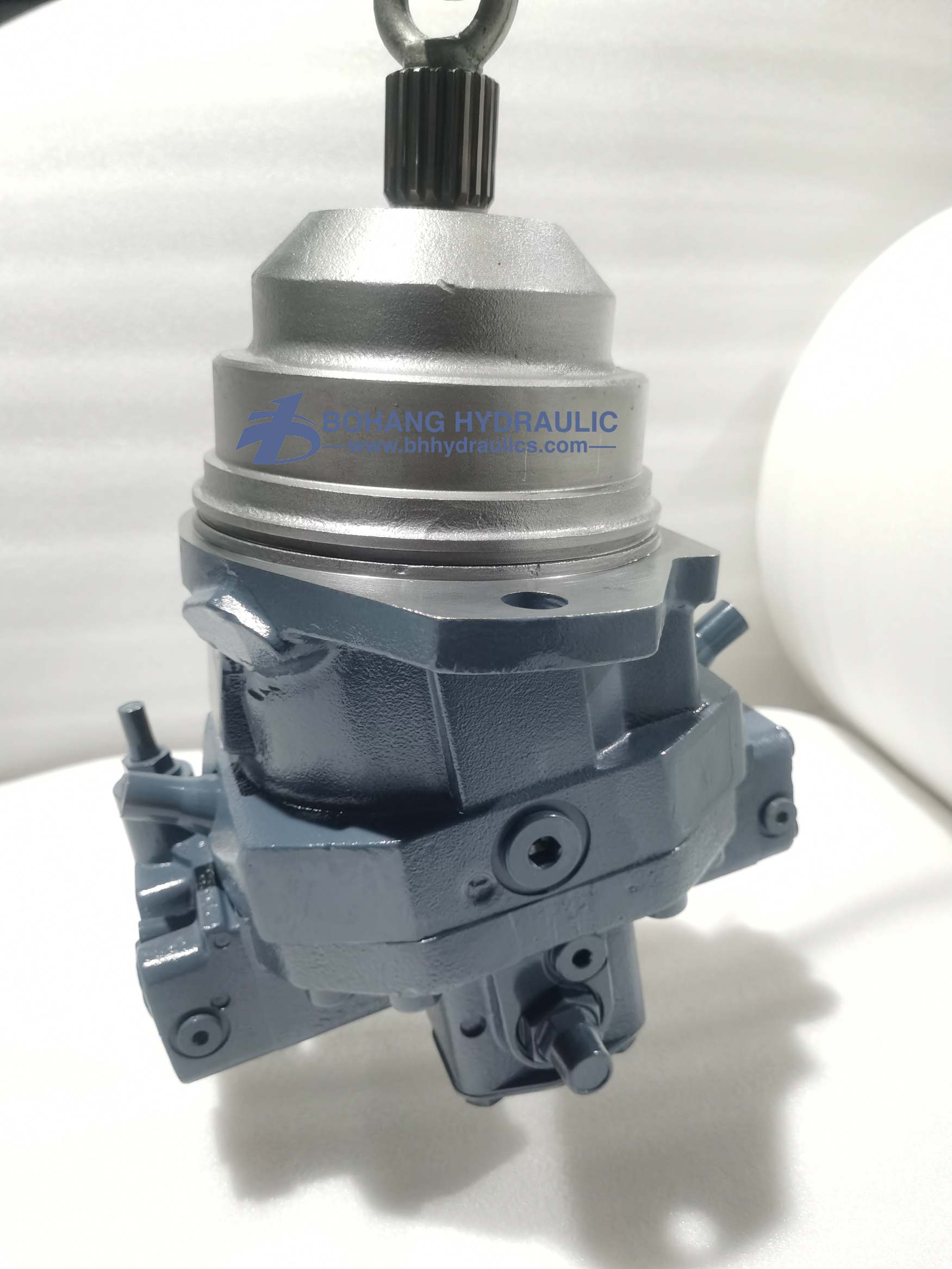
A6VE Series 6x replacement axial piston variable motor is designed for hydrostatic drives that must adapt smoothly to changing loads and operating speeds. It provides a dependable hydraulic piston motor solution for construction, agricultural, material-handling and industrial equipment, including replacement, repair and drivetrain upgrade projects.
1. Bent-Axis Variable Design: Provides a wide displacement control range and can be swiveled to zero.
2. High-Pressure Capability: Supports nominal pressure up to 400 bar and maximum pressure up to 450 bar.
3. Space-Saving Installation: The recessed mounting flange allows the motor to plug directly into a compatible mechanical gearbox.
4. Strong Drive Performance: Suitable for applications requiring high torque and high rotational speeds.
5. Flexible Circuit Integration: Designed for both open- and closed-circuit hydraulic systems.
6. Optional Valve Configurations: Available with flushing, boost-pressure and counterbalance valve options.
FAQ
Q1. What is an axial piston variable motor?
An axial piston variable motor is a hydraulic motor that converts hydraulic pressure and flow into rotary motion. Unlike a fixed-displacement motor, it can change its displacement while operating, allowing the machine to adjust the balance between output speed and torque without relying only on pump flow or a mechanical gearbox.
The A6VE Series uses a bent-axis rotary group and provides a wide displacement control range that can be adjusted down to zero. It is designed as a plug-in motor for integration into a mechanical gearbox.
Q2. What is the difference between a fixed and variable displacement axial piston motor?
A fixed-displacement piston motor moves the same theoretical volume of oil during every shaft revolution. Its speed is mainly controlled by the supplied flow, while its output torque depends largely on pressure and motor displacement.
A variable displacement axial piston motor can change its displacement during operation. A larger displacement generally provides more torque at a lower speed, while a smaller displacement allows a higher speed with less torque. This makes a variable motor more suitable for machines that alternate between heavy working loads and faster travel.
Q3. How does displacement affect hydraulic motor speed and torque?
For a given oil flow, reducing motor displacement increases rotational speed. Increasing displacement reduces speed but increases the theoretical torque available at the same pressure.
In practical terms, the A6VE motor can operate at a larger displacement when the machine needs high tractive force or working torque, then shift toward a smaller displacement when higher travel speed is required. Actual performance also depends on volumetric efficiency, pressure losses, oil viscosity and the selected control system.
Q4. How do I select the correct A6VE axial piston motor size?
Start with the machine's required maximum torque, operating speed, available oil flow and continuous working pressure. Then verify the motor’s displacement, maximum permitted speed, mounting flange, shaft spline, port arrangement, rotation direction and control code.
The product table lists several displacement sizes with different speed, flow, torque and weight values. Because these values change considerably between sizes, selecting a motor only by its external appearance or nominal displacement is not recommended. The complete type code and the original motor nameplate should be checked before ordering.